Is Now a Good Time to Sell My Home in Apex, NC
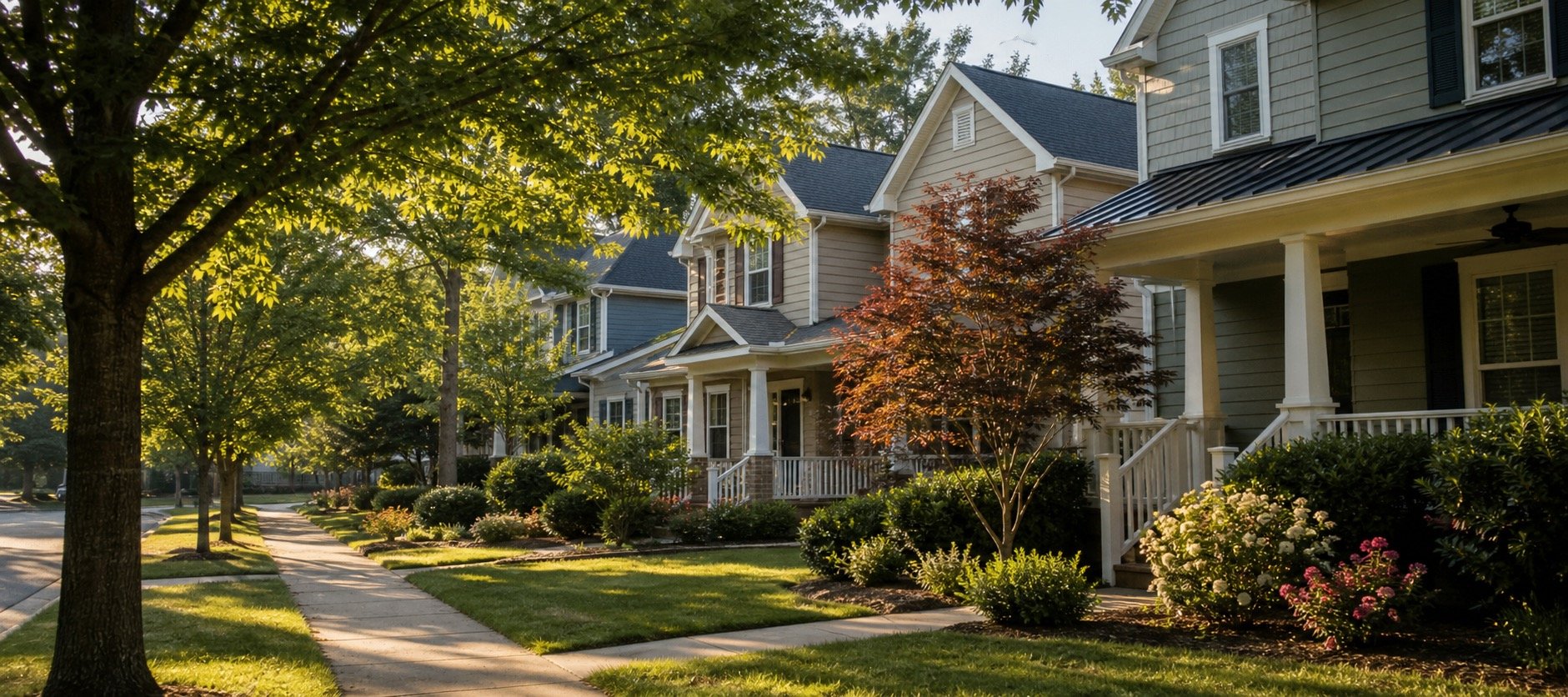
Let’s be real: if you own a home in Apex, you’ve probably looked at a “For Sale” sign on your street and thought, “Hmm… should I sell too?” Maybe your neighbor’s house went under contract in a weekend. Maybe you’re hearing wild stories about bidding wars and price drops at the same time. No wonder it’s confusing.
This post is for you if you’re curious, a little nervous, and just want someone to walk you through it like a normal human not like a spreadsheet.
Grab a coffee, and let’s talk about whether now is actually a good time for you to sell your Apex home.
First, what’s really going on in Apex?
Forget the scary national headlines for a second. What matters most is what’s happening right here, in Apex.
When I look at the market, I usually ask three simple questions:
• How many homes are for sale right now?
• How fast are they going under contract?
• Are prices kind of climbing, staying flat, or slipping?
You don’t need to know exact numbers, but you can do a quick “walk‑around check”:
• Are new “For Sale” signs popping up on your usual routes?
• Do you see “Under Contract” signs go up pretty quickly?
• Or do the same homes seem to sit for weeks?
If the good, normal homes are getting scooped up fast, that’s usually a good sign for sellers. If you see lots of price cuts and tired‑looking listings that sit forever, that tells a different story.
When we talk one‑on‑one, I’ll pull actual recent sales and active listings around your house so you’re not guessing. But even paying attention to those signs around you gives you a feel for what’s going on.
Okay, but is it a good time for you?
Here’s the part most blogs skip: it doesn’t matter if the market is “hot” if selling doesn’t fit your life right now. So let’s run through a few quick gut‑check questions.
1. How much equity do you think you have?
Equity is just “what your home could sell for” minus “what you still owe.”
If you’ve owned your place for a few years, there’s a good chance you’ve built up more equity than you realize. That equity is what lets you:
• Move into your next home with a stronger down payment.
• Pay off other debts or give yourself some breathing room.
• Invest in whatever your next chapter looks like.
We can’t know your exact net until we run numbers, but even a rough estimate helps you go from “I have no idea” to “Oh wow, we actually could move.”
2. Does your home still fit your life?
Market talk aside, ask yourself:
• Are you constantly bumping into each other because the house feels too small?
• Or is it the opposite — you’re sick of cleaning rooms nobody uses?
• Has your commute, kids’ schools, or day‑to‑day life shifted since you bought?
If your home used to be perfect but now feels like it doesn’t quite fit, that’s a sign your life might be outgrowing the house (or the house is outgrowing you). Selling is less about “cashing out” and more about getting into something that works for the version of you that exists right now.
3. Is a big change coming?
A lot of people don’t sell because “the market is up” or “down.” They sell because life moved first:
• New job, new city.
• Marriage, divorce, or a blended family.
• Kids starting school or leaving for college.
• Retirement or health changes.
If you can already see a big change on the horizon — within the next 6–12 months — it’s at least worth knowing what selling now versus later would look like, financially and logistically.
When waiting actually makes sense
Here’s the friendly truth: sometimes the right answer is “not yet.”
You might want to wait if:
• You just bought recently and don’t have much equity built up.
• You’re still settling into a new job or situation and don’t want more change right now.
• You’ve got a few big repairs or projects you know you need to tackle first.
If that’s you, it doesn’t mean we can’t talk. It just means our conversation is more about planning and prepping than listing tomorrow. No pressure, just a game plan.
The risk of kicking the can down the road forever
On the other hand, “I’ll think about it later” can quietly turn into years. There are a few risks to waiting forever when you already know you want to move.
The market can flip on you
Interest rates move. Inventory changes. Big employers hire more people or fewer people. All of that affects buyers.
Right now, the numbers might favor you. In a year or two, that could shift. Nobody has a crystal ball, but if things are currently lined up well for sellers in Apex and you’ve been dreaming about moving, it’s worth at least talking through what that window looks like.
Houses don’t maintain themselves
You already know this one. Roofs age, HVAC systems decide to quit at the worst time, paint gets tired, and little leaks don’t fix themselves.
If you’re thinking, “We’ll move one day,” there’s a chance that “one day” comes with a bigger repair list than you’d like. Sometimes, selling sooner while the home is still in good shape actually makes life easier.
Staying stuck costs energy
There’s also the mental side: if you’re constantly daydreaming about living somewhere else, storing stuff you don’t need, or dealing with a commute you hate, that’s draining.
Moving isn’t just about money. It’s about what your daily life looks like. If selling would move you closer to the kind of life you actually want, waiting too long is its own kind of cost.
How I help you figure this out (without pushing you)
I’m not here to drag you onto the market if it’s not right for you. I’m here to help you get out of “I’m not sure” and into “Okay, I know what my options actually are.”
When we talk about timing, here’s what we usually do:
Step 1: Look at what your home could realistically sell for
We’ll check:
• Recent sales of homes like yours nearby.
• What’s currently on the market that buyers are seeing right now.
• Any unique things about your place that might bump value up or down.
No sugarcoating, no scare tactics—just honest numbers and a realistic range.
Step 2: Rough out your “walk‑away” money
Next, we’ll take that range and subtract:
• Your mortgage balance.
• Typical closing costs.
• A reasonable estimate for small repairs or credits.
This gives us a rough idea of what you’d pocket if you sold. It’s not a final dollar down to the penny, but it’s close enough to help you decide whether selling would actually move the needle for you.
Step 3: Talk about your timeline and next move
Then we’ll talk through:
• When you’d ideally like to be in your next place.
• Whether you’re buying nearby, moving farther away, or renting for a bit.
• Any key dates (job start, school changes, lease ending, etc.).
Putting your life story next to the numbers is where the “Is now a good time?” answer really shows up. Sometimes it’s “Yep, this makes sense.” Sometimes it’s “You know what, let’s wait six months and prep.”
Either way, you get clarity instead of just spinning on “someday.”
Real‑life questions sellers ask me all the time
“Is spring the only good time to sell?”
Spring is busy, sure, but serious buyers look all year. In some markets, fall and winter can be great because there’s less competition. The calendar matters less than your situation and what’s happening right now in Apex.
“Do I have to find my next house before I list?”
Not always. A lot of people list first, see how the sale goes, and buy once they know their budget. We can build in flexible closing dates or even rent‑back arrangements so you’re not homeless in the gap.
“What if the market crashes after I list?”
Once you’re under contract with a buyer, the main variables are inspections, appraisal, and closing logistics—not sudden market swings. The bigger risk is usually sitting on the sidelines for years while conditions change.
“Can we talk even if I’m pretty sure I won’t sell right away?”
Yes. We can absolutely talk even if you end up saying, “Thanks, but not yet.” Having information doesn’t obligate you to do anything. It just lets you make a choice from a calm, informed place.
So… is now a good time to sell your Apex home?
Here’s the truth: no blog can answer that perfectly for you. What it can do is give you a framework and make this feel way less scary.
If you’re:
• Curious about your home’s value.
• Wondering what you’d walk away with.
• Tired of guessing and overthinking.
Then it might be time for a quick, no‑pressure chat.
I’ll pull local data, run a rough net sheet, listen to what’s going on in your life, and help you decide whether selling soon, waiting, or staying put makes the most sense for you — not for the headlines.