How to Prepare Your Home for the Market: A Complete Guide for Triangle-Area Sellers

A well-prepared home creates a stronger first impression and helps buyers recognize its value from the moment it reaches the market.
Selling a home involves much more than placing a sign in the yard and uploading a few photographs to the internet. The preparation completed before a property enters the market can directly influence how buyers perceive its value, how much interest it receives, and whether it creates enough urgency to generate a strong offer.
Today’s buyers typically see a home online before they ever visit it in person. They compare the property with competing listings, study the photographs, review the price, examine the condition, and decide within a short period of time whether the home deserves a showing.
That means your home’s first impression is often created on a phone or computer screen.
For homeowners preparing to sell in Raleigh, Cary, Apex, Morrisville, Sanford, Wake Forest, Holly Springs, Fuquay-Varina, Durham, or surrounding Triangle communities, proper preparation is especially important. Buyers have access to numerous listings and can quickly compare your home with new construction, recently renovated properties, and other homes in your price range.
The goal is not to make your home perfect or spend money unnecessarily. The goal is to identify the improvements that matter most to buyers, remove distractions, present the property professionally, and launch it with a clear pricing and marketing strategy.
Here is a complete step-by-step guide to preparing your home for the market.
1. Begin With a Professional Walk-Through
Before painting walls, replacing flooring, or starting expensive projects, have an experienced real estate professional walk through the property with you.
Every home is different. A repair that is important in one price range or neighborhood may not deliver the same return in another. Your preparation plan should be based on the home’s condition, likely buyer, competing inventory, price point, and current market expectations.
During the walk-through, evaluate:
The exterior and landscaping
The entrance and foyer
Flooring and paint condition
Lighting throughout the home
Kitchen and bathroom presentation
Visible maintenance concerns
Furniture placement
Storage areas
Odors, moisture, or pet-related concerns
Features that should be emphasized in the marketing
The purpose of this consultation is to separate necessary work from optional work.
Some sellers spend thousands of dollars improving features that buyers would have accepted as they were. Other sellers avoid relatively inexpensive repairs that become major objections during showings.
A strategic listing agent should help you prioritize the projects most likely to improve presentation, reduce buyer concerns, and protect your net proceeds.
[PHOTO 1: Blair walking through or preparing a home]
Suggested caption:
A pre-listing consultation helps homeowners prioritize the improvements that matter most to today’s buyers.
Suggested alt text:
Blair Whelan helping a Triangle homeowner prepare a property for sale.
2. Address Important Repairs Before Cosmetic Projects
A beautiful home can still lose buyers when obvious maintenance problems are visible.
Start by identifying repairs that may cause a buyer to question whether the home has been properly maintained. A loose railing, active leak, damaged drywall, rotted wood, nonfunctioning fixture, or broken window can appear minor to the seller but signal larger concerns to a buyer.
Review the following areas:
Exterior
Check the roof from the ground for visibly damaged or missing shingles. Clean the gutters and confirm that downspouts direct water away from the foundation. Repair loose siding, peeling paint, damaged trim, rotted wood, cracked steps, and unstable railings.
Walk around the home after rain and look for standing water or drainage problems.
Plumbing
Repair dripping faucets, slow drains, running toilets, active leaks, and visible water damage. Examine the areas under sinks and around toilets, tubs, showers, water heaters, and washing-machine connections.
Electrical
Replace burned-out bulbs, broken switch plates, damaged outlet covers, and nonfunctioning fixtures. Electrical repairs beyond basic bulb and cover replacement should be completed by an appropriately qualified professional.
Heating and Cooling
Replace dirty HVAC filters and confirm that the system is operating normally. If the equipment has not been serviced recently or appears to be malfunctioning, consider having it evaluated before the home enters the market.
Windows and Doors
Make sure exterior doors close and lock properly. Test windows for basic operation and replace obviously damaged screens. Repair loose doorknobs, squeaking hinges, sticking doors, and damaged weather stripping.
Safety Concerns
Confirm that smoke alarms and carbon-monoxide alarms are installed where appropriate and operating properly. Secure loose handrails and correct obvious trip hazards.
The objective is not to remodel the entire home. It is to remove the maintenance issues most likely to distract buyers or create unnecessary uncertainty.
3. Consider Whether a Pre-Listing Inspection Makes Sense
A pre-listing home inspection is not necessary for every seller, but it can be useful in certain situations.
It may be worth considering when:
The home is older
The property has been rented
The seller has limited knowledge of the home’s systems
The property has experienced leaks or moisture issues
Significant renovations were completed
The seller wants to reduce surprises after accepting an offer
The property previously went under contract and returned to the market
An inspection can give the seller an opportunity to understand potential concerns before negotiations begin. It may also allow time to obtain estimates, complete repairs, or prepare documentation.
However, sellers should discuss the advantages, disadvantages, disclosure responsibilities, and local practices with their real estate agent before ordering an inspection.
Discovering a problem may create an obligation to disclose it, even when the seller chooses not to repair it. For that reason, a pre-listing inspection should be part of a thoughtful strategy rather than an automatic decision.
4. Declutter the Home Without Removing Its Personality
One of the most important parts of preparing a home for sale is helping buyers understand the space.
Clutter makes rooms appear smaller, creates visual distractions, and prevents buyers from focusing on the home itself. However, removing every item can also make an occupied home feel cold and uninviting.
The goal is a clean, organized, and intentional appearance.
Start with countertops, tables, open shelving, vanities, desks, nightstands, and other visible surfaces. Remove excess décor, paperwork, cords, collections, unused appliances, and personal items.
In the kitchen, leave only a few attractive and purposeful items on the countertops. A coffee maker, small plant, cutting board, or decorative bowl may be enough.
In bathrooms, remove medications, toothbrushes, toiletries, cleaning products, and personal grooming items from view. Display clean towels and minimal décor.
In bedrooms, simplify the furniture and remove anything that makes the room feel crowded. Clear the floor, organize the nightstands, and use neutral bedding when possible.
You do not necessarily need to remove every family photograph. A few personal items are usually acceptable. The concern is volume. Buyers should notice the room before they notice the belongings.
Begin packing items you do not expect to use before moving. This makes the home easier to show while also reducing the amount of work required later.
5. Organize Closets, Cabinets, Garages, and Storage Areas
Buyers open closets, pantries, kitchen cabinets, and bathroom storage. They are not being disrespectful. They are trying to determine whether the home provides enough space for their belongings.
An overcrowded closet can create the impression that the home lacks storage, even when the closet itself is reasonably sized.
Remove seasonal clothing and items you rarely use. Arrange clothing neatly and leave visible space between groups of items. Organize shoes, bags, and boxes.
In the pantry, group similar products together and discard expired food. Avoid filling every shelf from edge to edge.
In the garage, remove unnecessary furniture, boxes, broken equipment, and leftover materials. Buyers should be able to understand where vehicles, tools, lawn equipment, and storage would fit.
Sellers often focus on the main living areas and overlook these spaces. Organized storage reinforces the impression that the entire property has been thoughtfully maintained.
6. Deep Clean the Entire Property
Cleaning is one of the most cost-effective ways to improve a home’s presentation.
A buyer may accept an older kitchen or dated flooring, but dirt and neglected maintenance can make the entire home feel less valuable.
Pay particular attention to:
Baseboards
Cabinet fronts
Interior doors
Door frames
Windows and window tracks
Light fixtures
Ceiling fans
Air vents
Appliances
Bathroom grout
Shower glass
Mirrors
Floors and carpets
Fireplace surrounds
Stair railings
Laundry areas
Garage floors
Porches and patios
Carpets should be professionally cleaned when needed. If a carpet is permanently stained, heavily worn, or holding strong odors, replacement may be more effective than repeated cleaning.
Windows are especially important because clean glass allows more natural light into the home. Natural light can make rooms appear brighter, larger, and more inviting in both photographs and showings.
Do not forget the refrigerator, oven, dishwasher, microwave, and washing areas. Buyers frequently examine appliances included with the home.
A professionally cleaned property communicates that the seller has taken the sale seriously.
7. Eliminate Odors Instead of Covering Them
Sellers can become accustomed to the normal smells inside their homes. Buyers notice them immediately.
Common sources include:
Pets
Cigarette or cigar smoke
Cooking
Moisture
Dirty carpets
Garbage disposals
Drains
Litter boxes
Upholstery
HVAC filters
Basements and crawl spaces
Strong air fresheners are not a reliable solution. Heavy fragrances may cause buyers to wonder what the seller is attempting to cover.
Identify and address the source. Clean fabrics and carpets, wash pet bedding, empty trash containers, clean drains, replace HVAC filters, and correct moisture problems.
Before a showing, open the home briefly to allow fresh air to circulate when weather conditions permit.
A light, clean scent is appropriate. The home should not smell like perfume, chemicals, pets, smoke, or last night’s dinner.
8. Use Paint Strategically
Fresh paint can dramatically improve presentation, but the entire home may not require repainting.
Focus first on rooms with:
Bright or highly personalized colors
Scuffed or damaged walls
Visible patchwork
Marks around doors and switches
Peeling paint
Inconsistent touch-ups
Heavy wear
Neutral colors tend to photograph well and make it easier for buyers to imagine their own furniture in the space. Neutral does not have to mean stark white. Warm whites, soft creams, light greiges, and subtle neutral tones can create a clean appearance without making the home feel sterile.
Trim, doors, and baseboards deserve attention too. Fresh walls next to dirty or chipped trim can make the unfinished areas more noticeable.
When completing touch-ups, make sure the existing paint can be matched. A slightly different sheen or shade can be more distracting than the original mark.
9. Evaluate Flooring From a Buyer’s Perspective
Flooring is one of the largest visible surfaces in a home. Its condition influences how buyers perceive the overall level of maintenance.
Hardwood, laminate, luxury vinyl plank, tile, and carpet should be clean and free of unnecessary obstacles. Repair loose transition strips, damaged boards, cracked tiles, and other noticeable concerns when practical.
Replacing all flooring may not be necessary. The decision should depend on the severity of the damage, the property’s value, competing homes, and likely buyer expectations.
For example, replacing one heavily worn carpet may significantly improve a primary bedroom. Replacing usable flooring throughout an entire home may not produce the same return.
Before investing, compare your property with other active and recently sold homes in the same market segment.
10. Make the Kitchen Feel Clean, Bright, and Functional
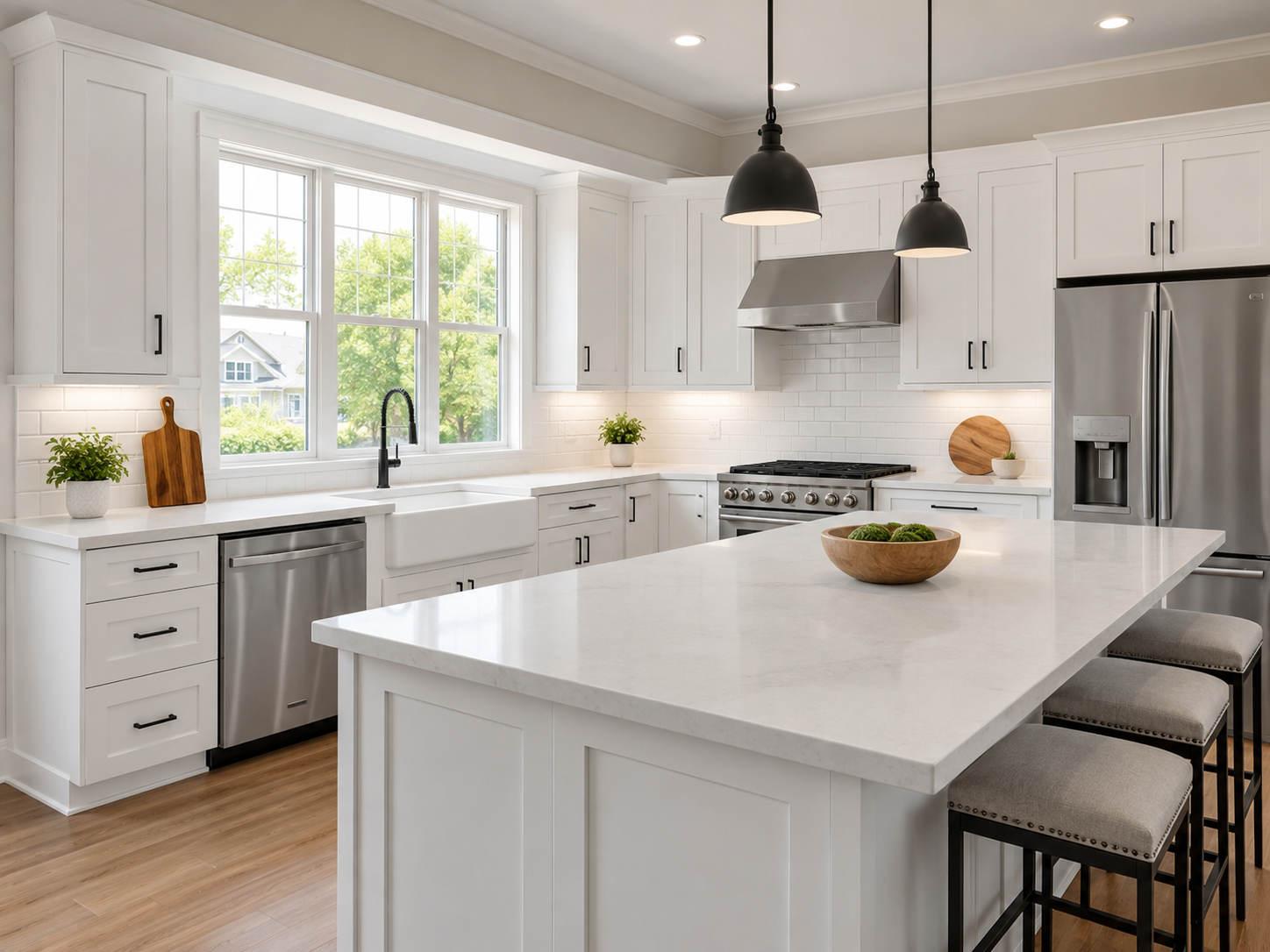
Clear countertops, bright lighting, and simple styling help buyers focus on the kitchen’s layout, finishes, and functionality.
The kitchen is one of the most closely examined spaces in a home.
You do not always need a complete renovation. Presentation improvements can make a meaningful difference.
Start by clearing most items from the countertops. Clean cabinet doors, hardware, backsplash, appliances, sink, faucet, and flooring. Organize the pantry and remove items from the top of the refrigerator.
Replace burned-out bulbs and make sure the lighting is bright enough for photographs and showings.
Relatively modest improvements may include:
Updating cabinet hardware
Replacing a dated light fixture
Installing a modern faucet
Repairing damaged caulk
Touching up cabinet paint
Replacing visibly damaged outlet covers
Adding simple counter décor
Avoid beginning an expensive kitchen renovation without first discussing the expected impact on value. Buyers may prefer to select their own finishes, and the seller may not recover the entire cost of a rushed remodel.
[PHOTO 2: Clean, professionally photographed kitchen]
Suggested caption:
Clean counters, good lighting, and purposeful styling help buyers appreciate a kitchen’s layout and functionality.
Suggested alt text:
Professionally prepared kitchen in a Triangle-area home listed by Blair Whelan.
11. Give Bathrooms a Hotel-Like Presentation
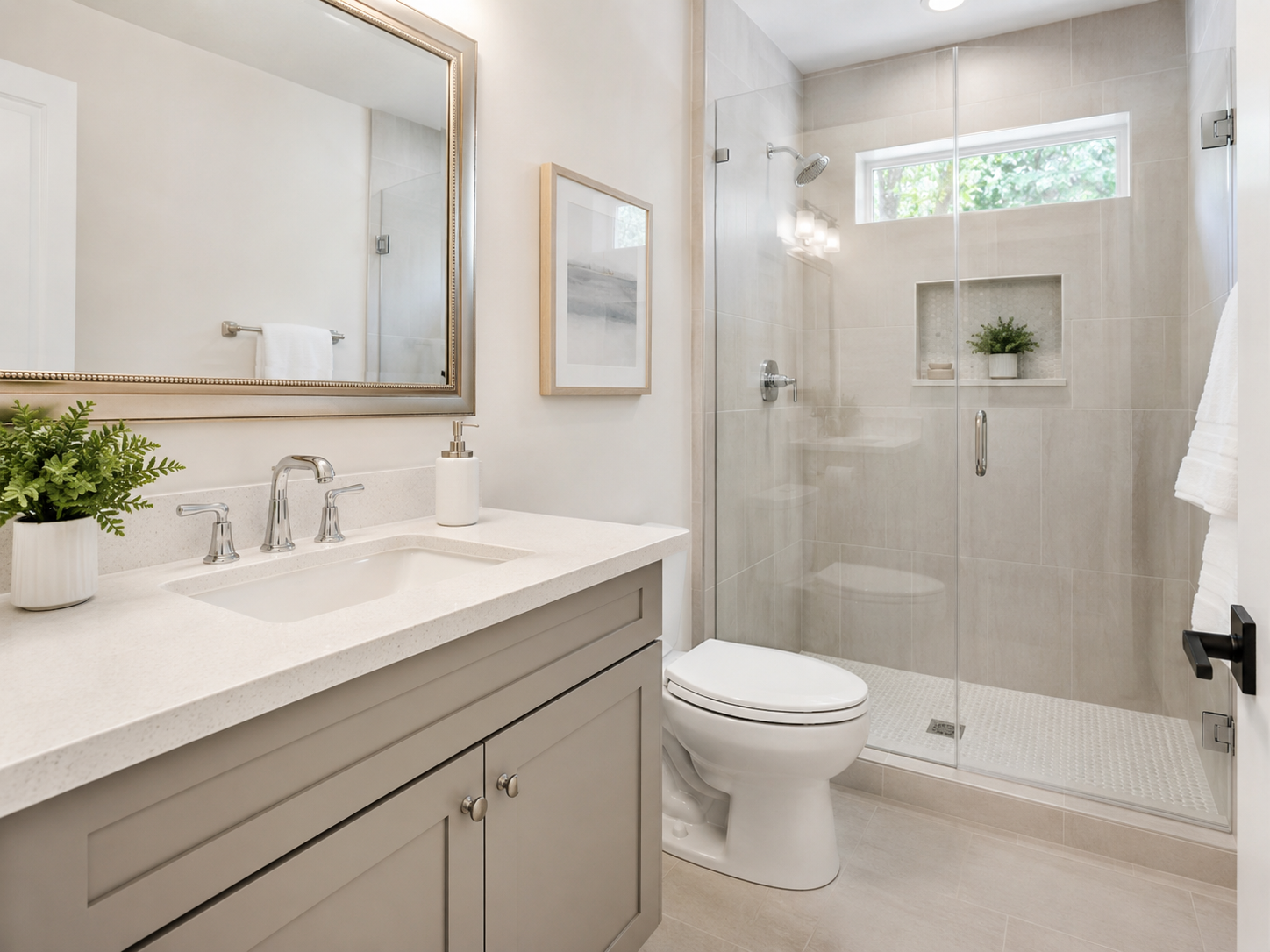
A clean, neutral, hotel-inspired bathroom can make the entire home feel more polished and well maintained.
Bathrooms should feel clean, bright, and simple.
Remove personal toiletries and cleaning supplies. Clean the grout, shower glass, mirrors, fixtures, vanity, toilet, and flooring. Replace visibly worn shower curtains and display clean, coordinated towels.
Check the caulk around sinks, tubs, and showers. Discolored or deteriorated caulk can make an otherwise clean bathroom appear neglected.
Simple staging may include:
Folded white towels
A small plant
Neutral soap dispensers
Minimal countertop décor
A clean bathmat
Closed toilet lids
The goal is not luxury staging in every bathroom. It is to create a clean and well-maintained appearance.
12. Improve Curb Appeal and the Entry Experience
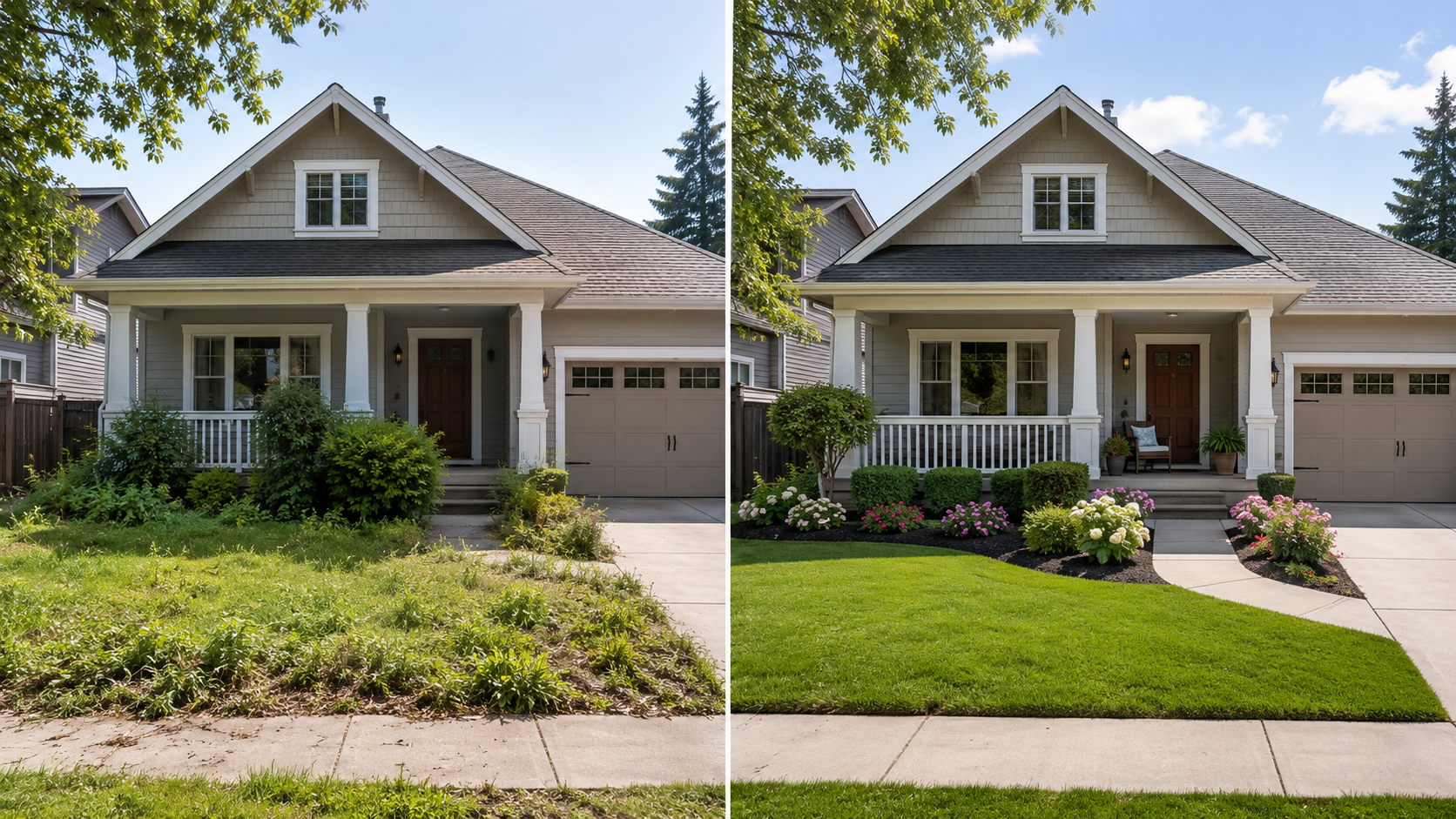
The exterior photograph is often the first image buyers see online. It may determine whether they open the listing or scroll to the next home.
Stand across the street and look at the property objectively.
Ask yourself:
Is the lawn maintained?
Are shrubs blocking windows?
Are beds overgrown?
Does the driveway need cleaning?
Is the porch cluttered?
Does the front door need paint?
Are house numbers visible?
Are exterior lights functioning?
Are trash containers visible?
Are toys, hoses, and tools put away?
Basic curb-appeal improvements may include mowing, edging, trimming shrubs, removing weeds, spreading fresh mulch, pressure washing, cleaning the porch, painting the front door, and adding a simple welcome mat.
Seasonal flowers can help, but they should not distract from the home. A few healthy plants are more effective than numerous small decorations.
The entry should feel clean and inviting because buyers often spend time at the front door while their agent opens the lockbox.
[PHOTO 3: Exterior with landscaped lawn and inviting porch]
A strong option is your saved photograph showing the light-colored home with a landscaped garden and welcoming porch.
Suggested caption:
Clean landscaping and a welcoming entrance create a stronger first impression before buyers enter the home.
Suggested alt text:
Well-prepared Raleigh-area home with landscaped curb appeal and welcoming front porch.
13. Prepare Outdoor Living Areas
In North Carolina, porches, decks, patios, yards, and screened outdoor spaces can be important selling features.
Clean outdoor furniture and remove damaged or unnecessary pieces. Sweep porches, wash cushions, remove spider webs, organize grilling areas, and store garden tools.
If the home has a deck, check the condition of the boards, stairs, and railings. Any structural or safety concerns should be evaluated appropriately.
Outdoor spaces should show buyers how the area can be used. A small table and chairs may help define a patio. Simple seating can make a covered porch feel more inviting.
Do not overcrowd the space. The objective is to demonstrate functionality without making the area appear smaller.
14. Stage the Home for Photographs and Showings
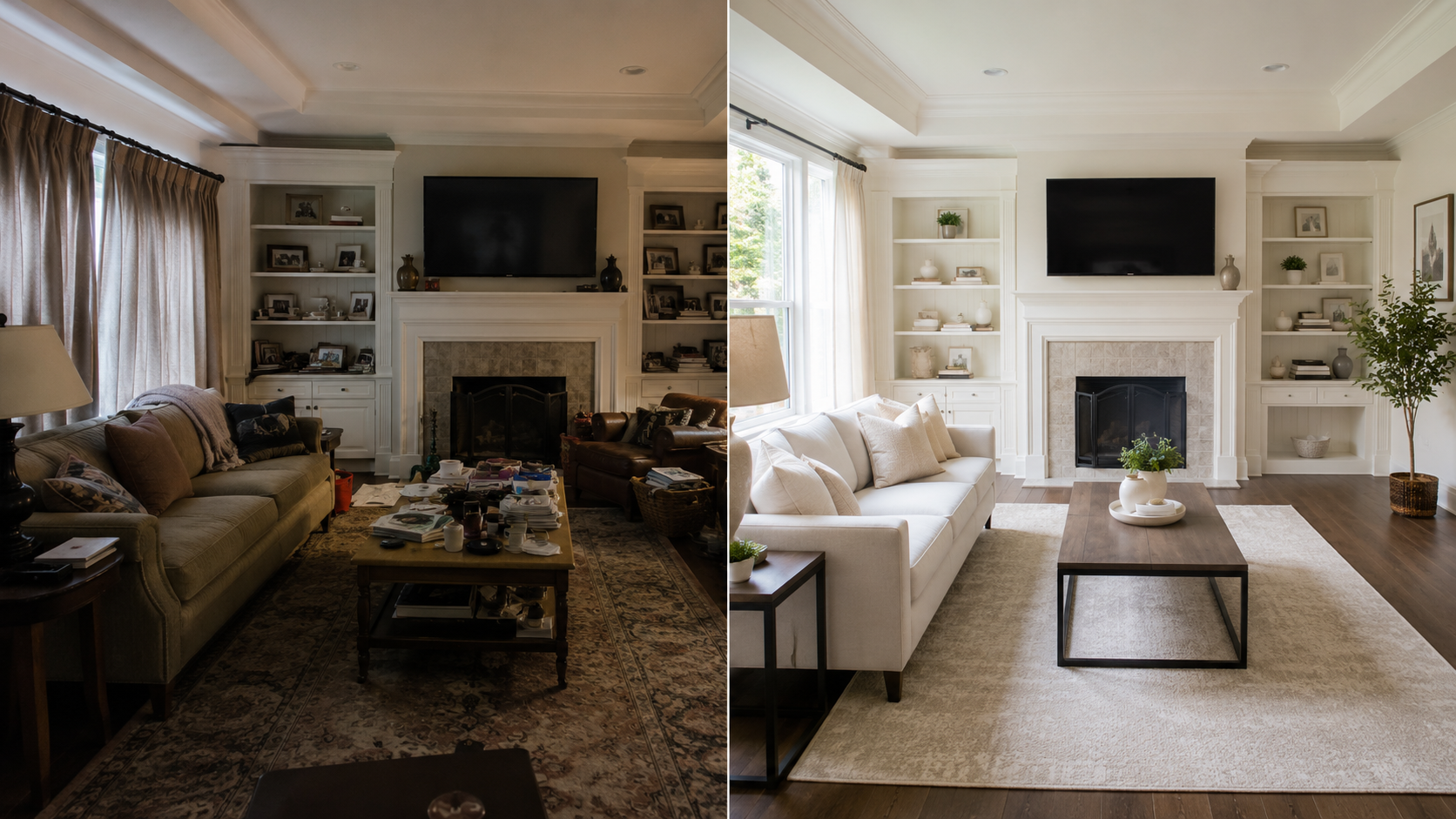
Decluttering, improving lighting, and simplifying furniture placement can completely change how buyers perceive a room.
Staging does not necessarily mean renting an entire house of furniture.
Effective staging may involve using the seller’s existing furnishings, removing unnecessary pieces, changing furniture placement, updating bedding, adding neutral accessories, and improving the flow from room to room.
Each room should have an obvious purpose.
A spare room filled with boxes may be difficult for buyers to understand. With a desk and simple chair, it becomes an office. With a bed and two small tables, it becomes a bedroom.
Furniture should not block windows, doorways, fireplaces, or major architectural features. Rooms should be easy to enter and move through.
Vacant homes may benefit from physical or professional virtual staging, particularly when the rooms are unusually shaped or buyers may have difficulty understanding scale.
Virtual staging should accurately represent the existing space and should not be used to conceal defects or materially alter permanent features.
[PHOTO 4: Professionally staged living room]
Suggested caption:
Strategic staging helps buyers understand room size, furniture placement, and how the home could function for them.
Suggested alt text:
Professionally staged living room in a Raleigh, North Carolina home for sale.
15. Gather Important Documents and Improvement Records
Before listing, begin collecting information that may be requested during the sale.
Useful records may include:
Permits
Surveys
Septic records
Well records
HOA documents
Warranties
Repair receipts
Appliance information
Roof documentation
HVAC service records
Contractor invoices
Renovation records
Utility information
Floor plans
Previous inspection reports
Termite or pest-treatment records
Create a written list of major improvements with approximate completion dates.
Examples include:
Roof replacement
HVAC replacement
Water-heater replacement
Kitchen renovation
Bathroom renovation
Flooring installation
Window replacement
Crawl-space improvements
Electrical updates
Plumbing updates
Exterior painting
Deck construction
Accurate documentation can help your real estate agent market the property, answer buyer questions, support value, and prepare information for an appraiser.
Do not make unsupported claims about improvements. Whenever possible, provide records, dates, contractor information, warranties, or permits.
16. Confirm Measurements and Property Information
Incorrect property information can cause serious problems during a transaction.
Before the listing is published, verify important details such as:
Heated living area
Bedroom and bathroom count
Lot size
Garage configuration
School assignments
Tax information
HOA fees and amenities
Septic permit
Well information
Water and sewer service
Legal description
Special assessments
Included appliances
Ownership information
Professional measurements and a floor plan can help buyers understand the layout before scheduling a showing. A floor plan is particularly useful for relocation buyers who may be evaluating the home from another state.
Accurate information also supports stronger marketing and reduces the risk of buyer confusion later.
17. Price the Home According to Current Competition
Preparation and pricing must work together.
Even a beautifully presented home may struggle if buyers believe the price is too high compared with competing properties. Conversely, a strategically priced home that is not prepared properly may fail to create the excitement it should.
A comparative market analysis should consider:
Recently sold homes
Properties currently under contract
Active competition
Homes that failed to sell
Location
Condition
Size
Lot
Age
Updates
Features
Current buyer demand
Available new construction
Sellers should be cautious about relying exclusively on automated online estimates. Those estimates may not accurately account for condition, renovations, location differences, views, lot characteristics, functional layout, or current competition.
The objective is not automatically to choose the highest possible list price. The objective is to position the home where buyers recognize its value and feel enough urgency to schedule a showing or submit an offer.
18. Invest in Professional Photography and Media
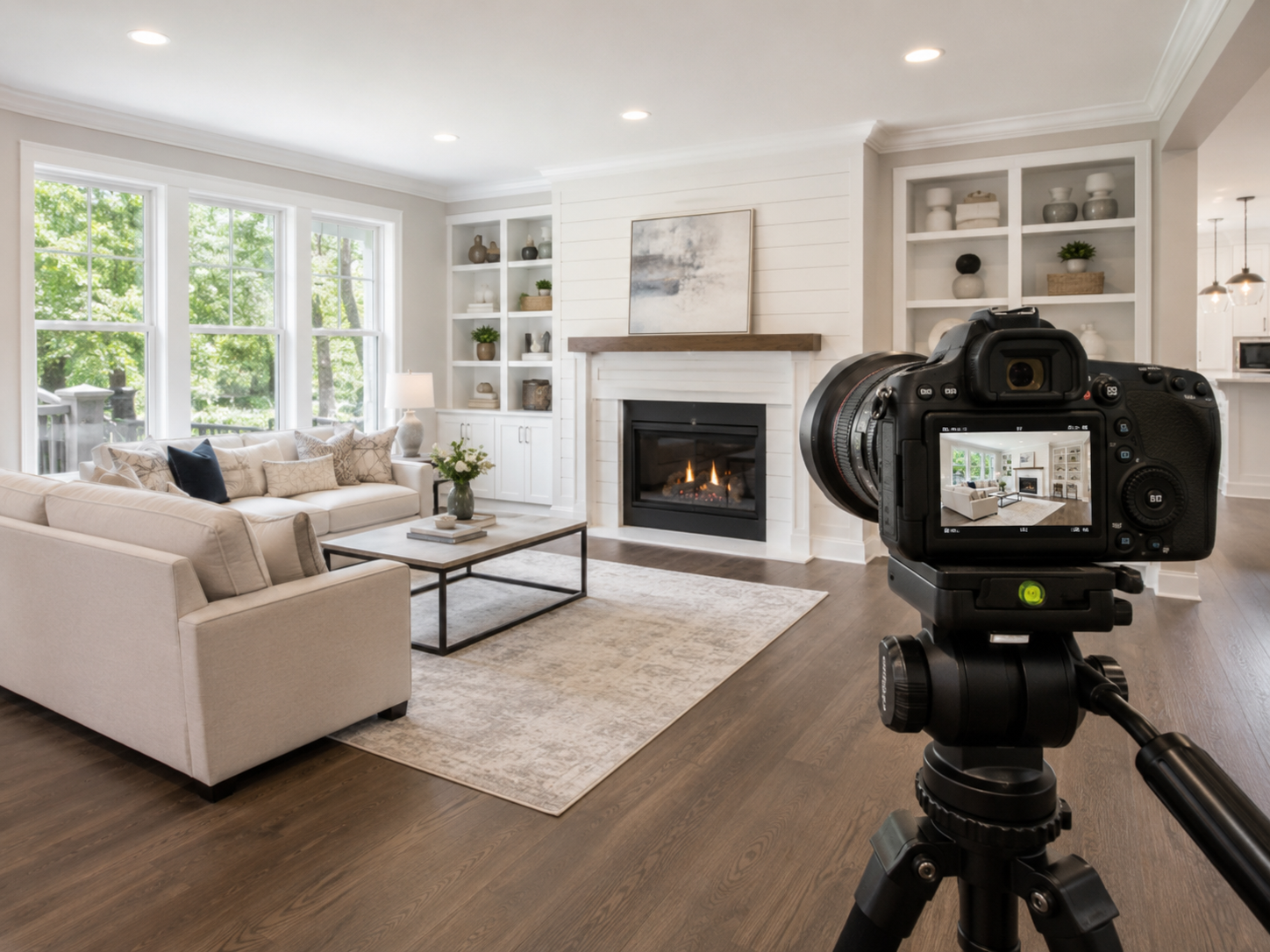
Your home’s first showing often happens online, which is why professional photography is an essential part of a strong marketing launch.
Professional presentation is essential because most buyers begin their search online.
Dark photographs, poor angles, cluttered rooms, tilted images, and incomplete media can cause buyers to dismiss a home before seeing it.
Depending on the property, a complete media package may include:
Professional interior and exterior photography
Aerial or drone photography
Professional video
Three-dimensional tour
Floor plan
Virtual twilight photography
Virtual staging
Neighborhood or community imagery
Feature-focused detail photographs
The appropriate marketing package should be based on the home, price range, location, and target buyer.
Before photography:
Open blinds and curtains
Replace burned-out bulbs
Remove vehicles from the driveway
Hide trash containers
Remove pet bowls and beds
Clear bathroom counters
Remove refrigerator magnets
Put toilet lids down
Make beds
Turn off ceiling fans
Remove visible cords
Store cleaning supplies
Straighten furniture
Clean reflective surfaces
Professional media cannot correct poor preparation. The home should be completely ready before the photographer arrives.
[PHOTO 5: Professional exterior hero image]
You also have saved photographs of a modern single-story home with a well-maintained lawn, mature landscaping, a front porch, and a two-car garage that could work as an exterior example.
Suggested caption:
Professional photography should show the home clearly, accurately, and in its strongest possible condition.
Suggested alt text:
Professionally photographed Triangle North Carolina home prepared for the real estate market.
19. Create a Complete Marketing Launch
Placing a property in the MLS is not the same as fully marketing it.
A strong launch may include:
Compelling MLS copy
Professional photographs
Floor plan and measurements
Property website
Social media content
Video marketing
Agent-to-agent outreach
Reverse prospecting
Email marketing
Open-house promotion
Relocation-buyer targeting
National and international exposure
Strategic follow-up with showing agents
Appropriate premium listing placements
The first days on the market are important because the listing is new, buyer alerts are being generated, and active buyers are evaluating it against current competition.
Price, presentation, photography, listing copy, and promotional materials should be ready before the property is launched. Avoid publishing an incomplete listing and planning to improve it later.
The initial release should feel coordinated and intentional.
20. Develop a Showing Plan Before Going Live
The home should be reasonably accessible to qualified buyers while still protecting the seller’s privacy and schedule.
Before the listing becomes active, decide:
How much notice is required
Whether appointments require approval
Whether pets must be removed
How occupants will be notified
Which doors buyers may use
Whether certain areas have special instructions
How feedback will be collected
How quickly buyer agents will receive answers
For each showing, turn on lights, open blinds when appropriate, adjust the temperature, secure valuables, remove medications, and take pets out of the property whenever possible.
Buyers are generally more comfortable discussing the home when the seller is not present. Give them enough privacy to evaluate the property openly with their agent.
21. Listen to Buyer and Agent Feedback
Preparation does not stop when the home is listed.
Showing activity, buyer comments, online engagement, competing inventory, and agent feedback can reveal how the market is responding.
One negative comment may simply be personal preference. Repeated feedback about the same concern deserves attention.
Common patterns may include:
Buyers like the home but believe the price is high
A room feels smaller than expected
An odor is noticeable
The home is too dark
A repair concern is creating hesitation
The photography created different expectations
Buyers prefer competing homes with certain updates
Showing access is too restrictive
The seller and listing agent should evaluate patterns and make adjustments before the listing loses momentum.
The market will communicate. The important part is listening and responding strategically.
A Final Home-Preparation Checklist
Before your home enters the market, confirm that you have:
Completed important repairs
Deep cleaned the property
Removed clutter
Organized closets and storage
Addressed odors
Improved curb appeal
Simplified furniture and décor
Touched up paint when needed
Cleaned or evaluated flooring
Prepared the kitchen and bathrooms
Organized outdoor spaces
Gathered property records
Documented major improvements
Verified property information
Completed measurements and a floor plan
Established a pricing strategy
Scheduled professional media
Created a full marketing plan
Established showing instructions
Prepared a system for reviewing feedback
Preparing to Sell a Home in Raleigh or the Triangle?
Preparing a property correctly is not about completing every possible improvement. It is about understanding what today’s buyers expect, identifying the work that will have the greatest impact, and avoiding expenses that are unlikely to improve your final result.
Every property requires a different strategy.
A home in Raleigh may compete with very different inventory than a property in Cary, Apex, Sanford, Wake Forest, Durham, or a surrounding community. The right recommendations depend on location, price range, condition, neighborhood, features, current competition, and the seller’s goals.
I help Triangle-area homeowners evaluate their property, determine what should be completed before listing, position the home against current competition, and create a professional marketing launch designed to attract serious buyers.
From pricing and preparation to photography, exposure, showings, feedback, negotiations, inspections, appraisal, and closing, my role is to manage the process and protect your interests from beginning to end.
Thinking about selling your home? Contact Blair Whelan, REALTOR® with eXp Realty, to schedule a no-pressure home preparation and pricing consultation.
Serving sellers throughout Raleigh, Cary, Apex, Morrisville, Sanford, Wake Forest, Holly Springs, Fuquay-Varina, Durham, and surrounding Triangle communities.
Meet Blair Whelan

Blair Whelan, Triangle-area real estate agent brokered by eXp Realty
Meet Blair Whelan
Blair Whelan is a Triangle-area real estate agent with eXp Realty who helps homeowners prepare, position, and market their properties for a successful sale. Her approach combines strategic pricing, professional presentation, aggressive marketing, strong communication, and careful follow-up throughout the entire transaction.
Whether you are preparing to sell in Raleigh, Cary, Apex, Sanford, Wake Forest, Holly Springs, Fuquay-Varina, Durham, or a surrounding community, Blair can help you determine what improvements matter, what your home may be worth, and how to create the strongest possible launch.