How to Get Your Home Ready for the Market: A Step-by-Step Guide for FSBO Sellers
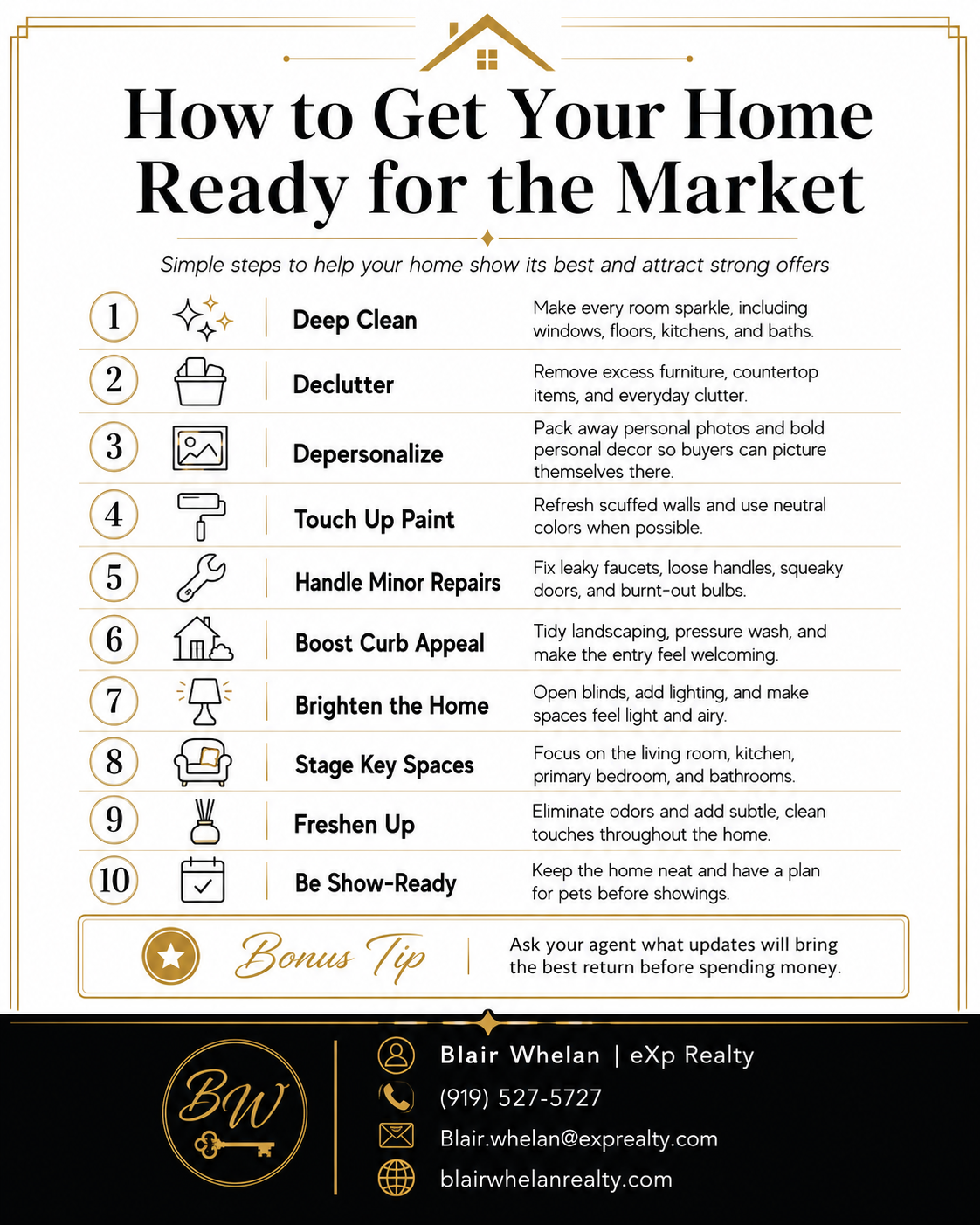
A Step-by-Step Guide for FSBO Sellers: How to Get Your Home Ready for the Market
Selling your home without a real estate agent can feel like a great way to save money, but preparing a property for the market involves much more than placing a sign in the yard and uploading a few pictures online.
Buyers compare your home to every other property available in the area. They notice condition, presentation, pricing, photography, updates, cleanliness, and even small maintenance concerns. A home that is properly prepared can attract more interest, create stronger first impressions, and reduce the likelihood of problems during inspections, appraisals, and negotiations.
Whether you are planning to sell your home completely on your own or are still deciding whether a For Sale By Owner approach is right for you, this guide will help you understand what should happen before your property goes on the market.
1. Start With an Honest Assessment of Your Home
Before cleaning, staging, or taking photographs, walk through your home as though you were seeing it for the first time.
Try to look at the property from a buyer’s perspective instead of as the person who has lived there for years. Homeowners naturally become accustomed to small defects, outdated finishes, cluttered areas, and unfinished projects. Buyers are more likely to notice them immediately.
Walk through each room and make a list of anything that could distract a buyer, including:
Peeling paint
Damaged flooring
Loose cabinet hardware
Cracked tiles
Water stains
Dripping faucets
Burned-out light bulbs
Missing outlet covers
Doors that do not close properly
Damaged screens
Overgrown landscaping
Visible roof or gutter concerns
Unfinished repair projects
You do not necessarily need to renovate the entire home. The goal is to identify repairs and improvements that could affect the property’s appearance, marketability, or perceived value.
It can also be helpful to ask a trusted friend or family member to walk through the home with you. Someone who does not live in the property may notice concerns that you no longer see.
2. Complete Minor Repairs Before Listing
Small repairs can have a significant effect on how buyers perceive a property.
When buyers see multiple unfinished or neglected items, they may begin wondering what larger problems could be hidden. Even inexpensive repairs can make a home feel more cared for and move-in ready.
Consider addressing items such as:
Touching up chipped or scuffed paint
Replacing cracked switch plates
Tightening loose handles and knobs
Repairing dripping faucets
Replacing damaged caulk
Fixing running toilets
Patching small holes in walls
Replacing burned-out bulbs
Repairing doors that stick
Replacing damaged blinds
Cleaning or repairing gutters
Pressure washing dirty exterior surfaces
Focus first on repairs that are visible, inexpensive, and likely to influence a buyer’s first impression.
Larger repairs may require more careful consideration. Before replacing a roof, HVAC system, flooring, or major appliance, compare the potential cost with the value the improvement may add. Not every expensive project produces an equal return.
3. Declutter Every Room
Clutter can make rooms appear smaller, darker, and less functional.
Buyers need to be able to visualize their belongings in the home. When countertops, shelves, closets, and floors are crowded, it becomes more difficult for them to understand the actual size and potential of the space.
Start by removing:
Excess furniture
Stacks of paperwork
Children’s toys
Seasonal decorations
Extra kitchen appliances
Unused exercise equipment
Excessive wall décor
Personal collections
Items stored on top of cabinets
Overflowing storage bins
Pay close attention to closets, cabinets, garages, pantries, and storage areas. Buyers frequently open doors and look inside. Overfilled storage spaces can give the impression that the home does not have enough storage.
Consider renting a storage unit or temporarily storing items with family members if necessary. A less crowded home often photographs better and feels more spacious during showings.
4. Remove Excessively Personal Items
Your home should still feel warm and welcoming, but it should not feel so personal that buyers have difficulty imagining themselves living there.
Consider removing or limiting:
Large family photo displays
Personal documents
Diplomas
Political items
Religious collections
Highly specific artwork
Valuable jewelry
Prescription medications
Children’s names displayed on walls
Personal schedules and calendars
Depersonalizing does not mean making the home feel empty. It simply means creating a more neutral environment that allows a wider range of buyers to connect with the property.
5. Deep Clean the Entire Property
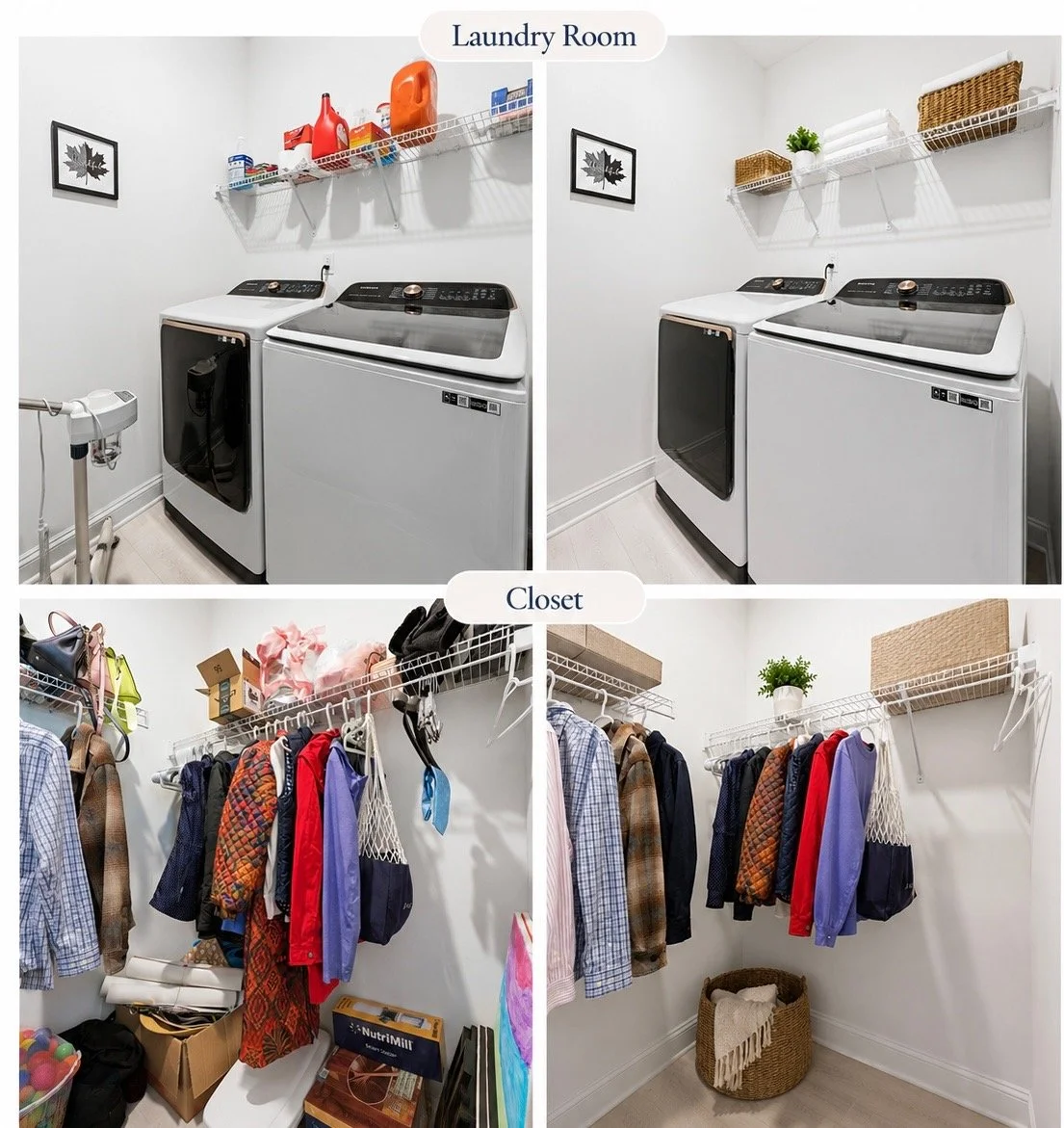
Before-and-after examples show how deep cleaning and decluttering key spaces can make a home feel brighter, larger, and more appealing to buyers.
A clean home is one of the most important parts of preparing for the market.
Even a beautifully updated property can make a poor impression if buyers notice dust, odors, dirty floors, stained carpet, or neglected bathrooms.
Deep cleaning should include:
Baseboards
Ceiling fans
Light fixtures
Windows
Window tracks
Interior doors
Cabinets
Appliances
Tile grout
Showers and tubs
Toilets
Sinks and faucets
Floors
Carpet
Air vents
Closets
Garage areas
Porches and patios
Pay special attention to kitchens and bathrooms. These areas strongly influence how buyers evaluate a home.
Pet owners should also address pet hair, litter boxes, food bowls, stains, and odors. Homeowners can become accustomed to smells that buyers notice immediately. Ask someone who does not live in the property to give you an honest opinion.
Avoid using extremely strong air fresheners. Heavy fragrances can make buyers wonder whether an odor is being covered up. A clean, neutral-smelling home is usually the best approach.
6. Improve the Curb Appeal
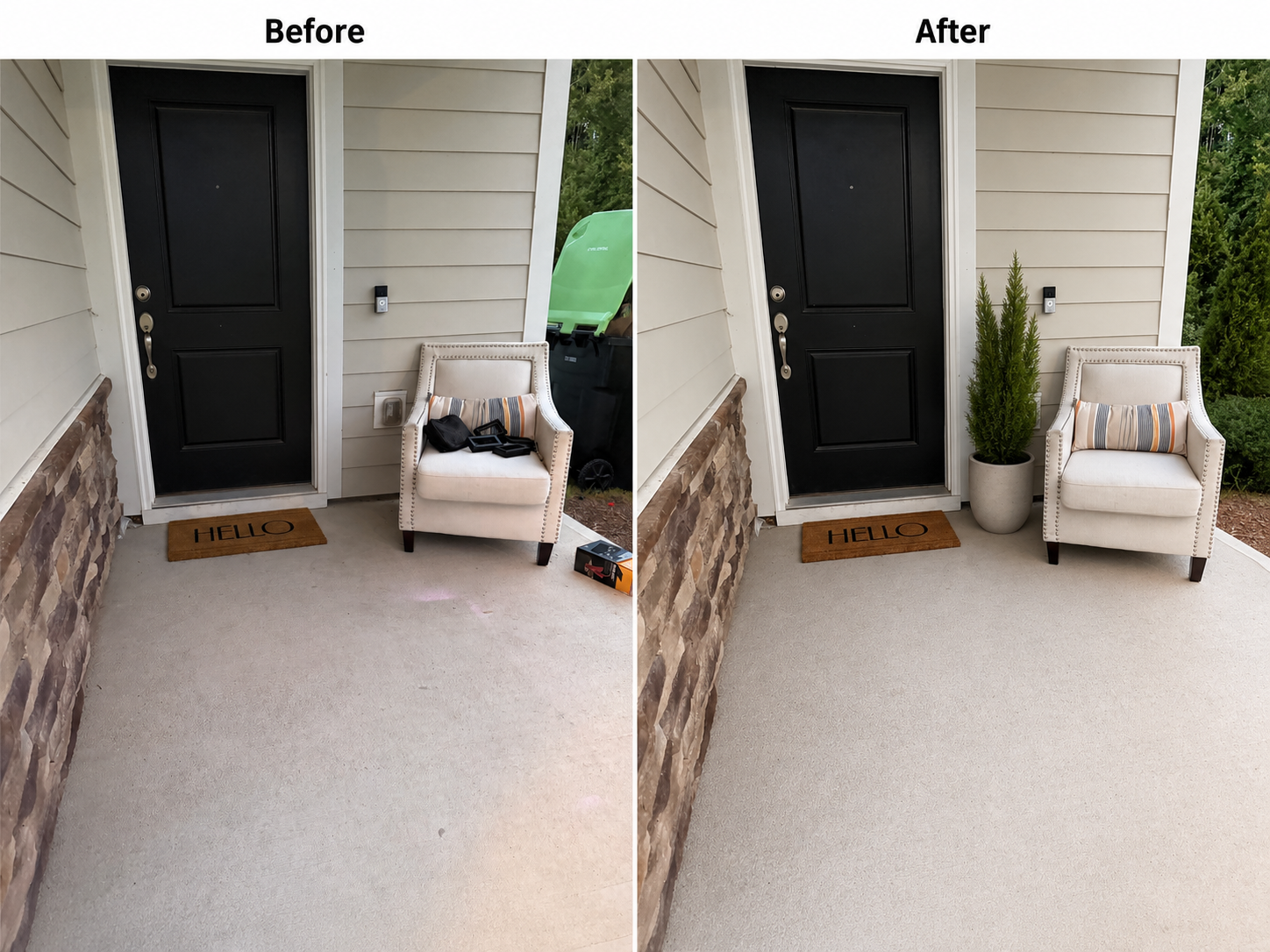
A few simple changes, removing clutter and adding greenery to make the front entrance feel cleaner, warmer, and more inviting to buyers.
The exterior creates the buyer’s first impression before they even enter the home.
If the yard, driveway, porch, or front entrance looks neglected, buyers may assume the interior has been maintained the same way.
Simple curb appeal improvements can include:
Mowing and edging the lawn
Removing weeds
Trimming bushes
Clearing leaves and debris
Adding fresh mulch
Cleaning the driveway
Pressure washing the walkway
Cleaning exterior windows
Repainting the front door
Replacing a worn doormat
Adding simple porch plants
Cleaning exterior light fixtures
Removing broken outdoor furniture
Replacing damaged house numbers
You do not need elaborate landscaping. Clean, maintained, and inviting is usually more important than expensive.
Take a photograph of the front of your home from the street. A photo can help you notice visual distractions that are easy to overlook in person.
7. Use Neutral Paint Where Needed
Paint is one of the most cost-effective ways to refresh a home.
Dark, highly personalized, or heavily worn paint colors can make rooms feel smaller or dated. Neutral paint can make a property feel brighter, cleaner, and easier for buyers to imagine customizing.
You may not need to repaint every room. Focus on areas with:
Heavy scuffs
Bright or unusual colors
Mismatched touch-ups
Visible stains
Peeling paint
Dark walls in small rooms
Warm whites, soft greiges, and light neutral tones typically appeal to a broader range of buyers.
Remember that buyers may mentally subtract the cost and inconvenience of repainting from the amount they are willing to offer.
8. Stage the Home for Photographs and Showings
Staging is not only for luxury homes. It is the process of arranging furniture and décor so the property looks spacious, functional, and appealing.
Start by making sure each room has a clear purpose. A bedroom should look like a bedroom. A dining room should look like a dining room. An office should feel usable rather than becoming a storage area.
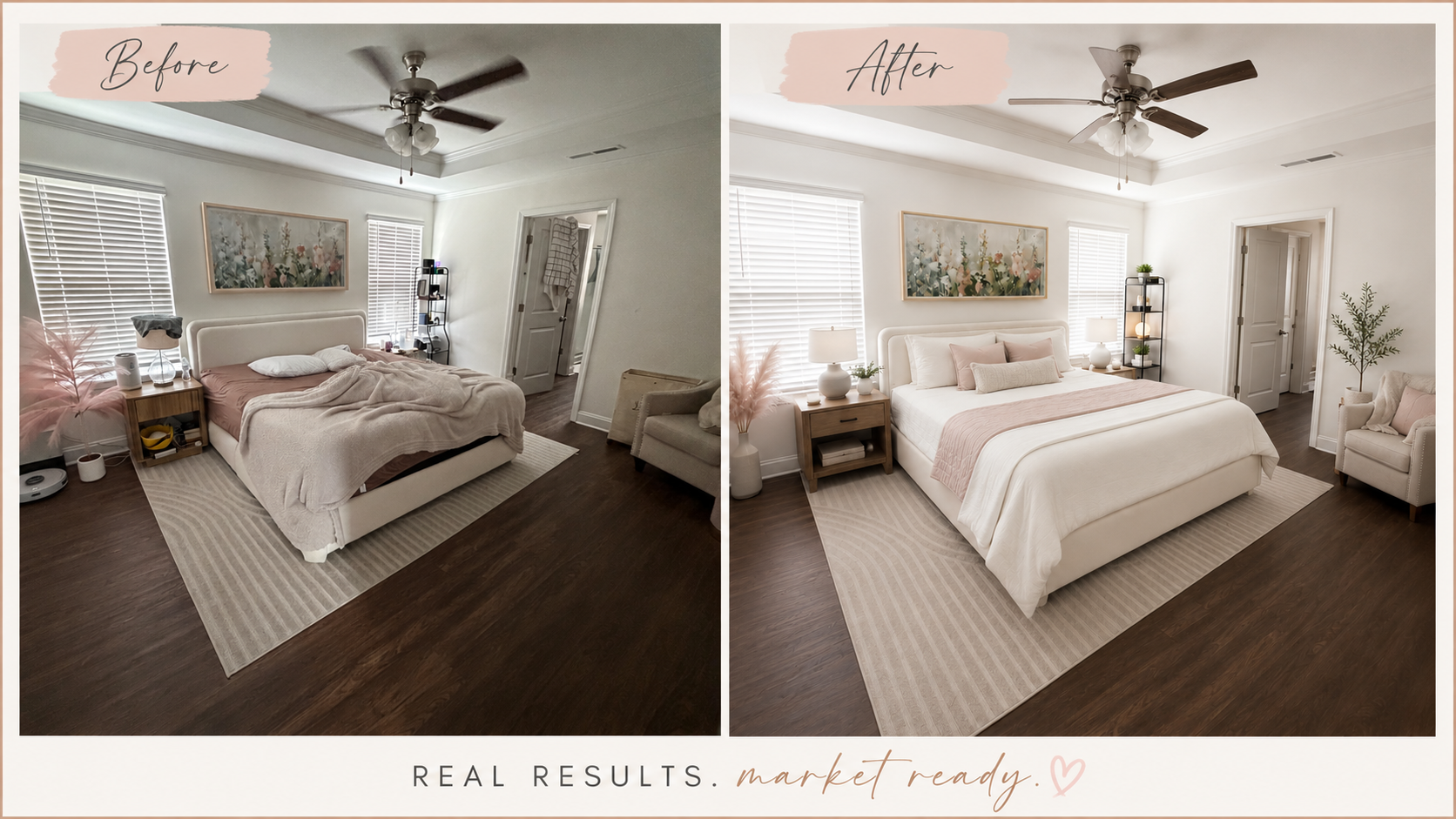
Simple bedroom staging can make the space feel brighter, more spacious, and easier for buyers to picture as their own.
Helpful staging steps include:
Removing oversized furniture
Creating clear walking paths
Centering beds and rugs
Opening curtains and blinds
Adding simple pillows or throws
Using neutral bedding
Clearing kitchen counters
Adding clean towels to bathrooms
Removing personal toiletries
Minimizing décor
Adding a few plants
Creating balanced furniture arrangements
Avoid overcrowding rooms. Fewer well-placed items often look better than many decorative pieces.
Vacant homes may also benefit from professional or virtual staging. Empty rooms can sometimes appear smaller in photographs and may make it difficult for buyers to understand furniture placement.
9. Make Sure Every Light Works
Lighting affects both photographs and showings.
Replace burned-out bulbs and make sure bulbs within the same fixture have a consistent color temperature. A mixture of warm yellow bulbs and bright white bulbs can make rooms look uneven.
Before photographs or showings:
Turn on all interior lights
Open blinds and curtains
Clean windows
Replace dim bulbs
Clean light fixtures
Use lamps in darker rooms
Remove heavy window coverings where appropriate
Bright homes often feel cleaner, larger, and more inviting.
10. Gather Important Property Information
FSBO sellers should be prepared to answer detailed questions about the property.
Start gathering documents and information such as:
Property tax records
Utility averages
HOA documents
HOA dues and assessments
Survey
Permits
Repair receipts
Appliance ages
Roof age
HVAC age
Water heater age
Septic records
Well records
Termite inspection history
Home warranties
Improvement records
Floor plans
Property disclosures
Accurate information can help reduce confusion and build buyer confidence.
Avoid estimating or guessing about material facts. If you are unsure about a property detail, verify it through the appropriate county records, municipal department, HOA, contractor, or licensed professional.
11. Understand Required Disclosures
Selling a home on your own does not eliminate your legal responsibilities.
Property disclosure requirements vary by state, and sellers may be required to disclose known defects, material facts, environmental concerns, HOA information, and other property conditions.
In North Carolina, residential sellers are commonly required to complete applicable property disclosure forms unless a specific exemption applies. Sellers should also be careful not to conceal defects or provide inaccurate information.
A disclosure is not the same thing as an inspection. It reflects the seller’s knowledge of the property.
Because disclosure errors can create significant liability, FSBO sellers should consider consulting a qualified real estate attorney before marketing the home.
12. Consider a Pre-Listing Inspection
A pre-listing inspection is an inspection completed before the home is placed on the market.
It may help identify concerns involving:
Roofing
Plumbing
Electrical systems
HVAC systems
Moisture
Foundation conditions
Crawlspaces
Attics
Appliances
Windows
Doors
Safety issues
A pre-listing inspection can give sellers an opportunity to repair concerns before buyers discover them. It can also reduce surprises during negotiations.
However, inspection findings may create additional disclosure obligations. Speak with your real estate attorney or qualified real estate professional before deciding whether a pre-listing inspection is appropriate.
Other inspections that may be relevant include:
Termite inspections
Radon testing
Well-water testing
Septic inspections
Structural evaluations
HVAC servicing
Roof inspections
The appropriate inspections will depend on the property.
13. Price the Home Based on the Market
One of the most common FSBO mistakes is pricing a home based on emotion, online estimates, renovation costs, or the amount the seller wants to net.
Buyers do not determine value based on what the owner paid, how much was spent on improvements, or how much money the seller needs for the next home.
They compare the property to similar homes that have recently sold and other homes currently available.
A strong pricing analysis should consider:
Recent comparable sales
Current competition
Pending sales
Location
Square footage
Lot size
Condition
Updates
Age
School assignment
Garage and parking
Bedroom and bathroom count
Neighborhood demand
Current market conditions
Active listings show your competition, but closed sales provide stronger evidence of what buyers have recently paid.
Pricing too high can cause the home to sit on the market, accumulate days on market, and eventually require price reductions. Buyers may begin wondering what is wrong with the property.
Pricing too low can also cost the seller money if the home is not marketed in a way that creates competition.
Before listing, consider requesting a professional comparative market analysis so you can compare your expectations with current market data.
14. Invest in Professional Photography
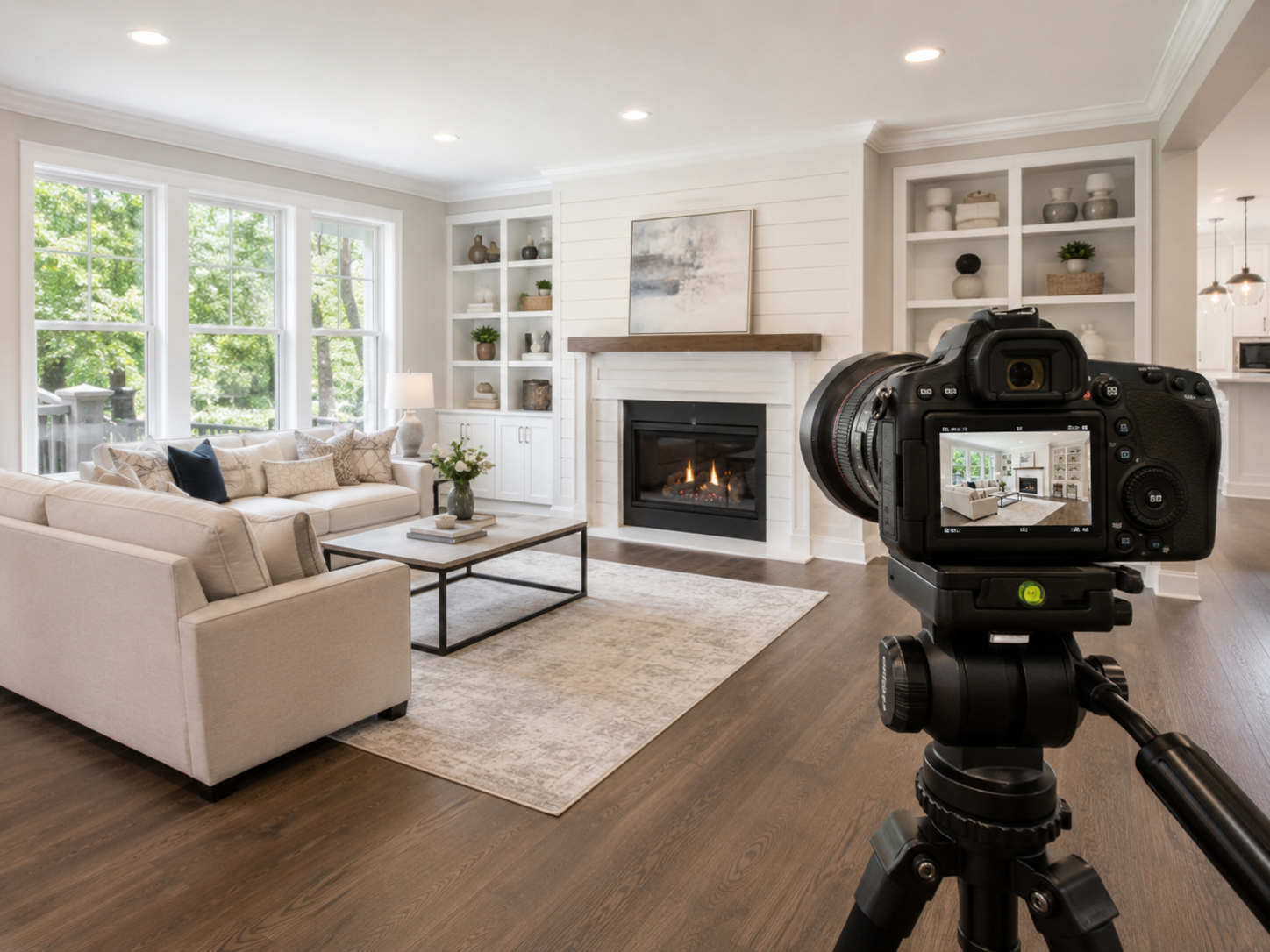
Professional photography helps showcase a home’s best features, create a strong first impression online, and attract more serious buyers.
Online photographs are often the buyer’s first introduction to your home.
Dark, crooked, blurry, overly edited, or poorly composed images can reduce interest before buyers ever schedule a showing.
Professional photography can help highlight:
Natural light
Room size
Layout
Architectural details
Upgrades
Outdoor spaces
Curb appeal
Neighborhood surroundings
Depending on the property, additional marketing media may include:
Drone photography
Video tours
Floor plans
3D tours
Virtual staging
Twilight photography
Community amenity photographs
Before photography, remove cars from the driveway, clear countertops, hide trash cans, close toilet lids, remove pet items, turn on lights, and open window coverings.
Do not use outdated photographs or images that materially misrepresent the condition of the property.
15. Write a Strong Property Description
A listing description should do more than list the number of bedrooms and bathrooms.
It should help buyers understand what makes the property attractive and how the home fits their lifestyle.
Highlight features such as:
Renovated kitchens
Updated bathrooms
Open floor plans
Large primary suites
Home offices
Bonus rooms
Outdoor living areas
Fenced yards
Garage storage
Community amenities
Convenient location
Recent system updates
Energy-efficient features
Avoid exaggerations and vague phrases that do not provide useful information.
Instead of saying, “This home is amazing,” explain why it is appealing.
For example:
“An open main-level layout connects the kitchen, dining area, and living room, while the covered patio creates additional space for outdoor entertaining.”
Specific language helps buyers understand the property.
16. Create a Complete Marketing Plan
Uploading your home to one website is not the same as creating a marketing strategy.
A complete marketing plan may include:
Professional photographs
Compelling listing copy
Social media promotion
Video marketing
Email marketing
Property websites
Agent outreach
Open houses
Directional signs
Print materials
Buyer follow-up
Showing feedback
Strategic price adjustments
Retargeting advertisements
FSBO sellers should also understand how their listing will appear to buyers and whether it will be distributed to the major real estate websites buyers use.
More exposure can create more opportunities, but exposure alone does not guarantee a sale. The pricing, presentation, and follow-up strategy must work together.
17. Create a Safe Showing Process
Allowing strangers into your home requires planning.
Before scheduling showings:
Require appointments
Confirm buyer identities
Ask whether buyers are prequalified
Secure valuables
Lock away medications
Remove financial documents
Hide spare keys
Protect personal information
Keep pets safely contained
Maintain a showing log
Avoid allowing unknown visitors to wander unaccompanied
Do not leave jewelry, firearms, prescription medications, financial records, mail, keys, or identifying documents in visible areas.
FSBO sellers should establish a clear showing process and avoid sharing unnecessary personal information with unknown callers.
18. Prepare for Buyer Questions
Serious buyers may ask questions about:
Why you are selling
How long you have owned the property
Previous repairs
Utility costs
Property taxes
HOA restrictions
Neighborhood conditions
Schools
Flood zones
Septic systems
Wells
Roof age
HVAC age
Previous insurance claims
Known defects
Included appliances
Personal property
Closing timeline
Seller concessions
Answer questions honestly and carefully. Avoid making promises about schools, development plans, zoning, property boundaries, or future neighborhood conditions without verification.
Direct buyers to the appropriate official source when necessary.
19. Decide How You Will Handle Offers
Receiving an offer involves more than comparing the purchase price.
The strongest offer may not always be the highest offer.
Evaluate:
Purchase price
Financing type
Down payment
Earnest money
Due diligence fee
Inspection period
Closing date
Seller concessions
Repair requests
Appraisal requirements
Contingencies
Personal property requests
Home-sale contingencies
Buyer qualification
FSBO sellers should understand every term before signing. Once an agreement becomes legally binding, changing the terms may require the other party’s consent.
A real estate attorney can help review contracts, explain obligations, and coordinate the legal closing process.
20. Prepare for the Inspection and Appraisal
Once the home is under contract, the buyer may complete inspections and the lender may order an appraisal.
Before the inspection:
Make all areas accessible
Unlock gates
Clear access to electrical panels
Clear access to the attic and crawlspace
Replace HVAC filters
Confirm utilities are on
Address active leaks
Remove obstacles around major systems
Before the appraisal, provide accurate information about improvements, permits, square footage, and relevant property features.
An appraiser does not determine value based solely on the contract price. The appraisal generally considers the property’s condition, features, location, and comparable sales.
If the home does not appraise at the contract price, the parties may need to renegotiate, challenge the appraisal, bring additional funds to closing, or terminate depending on the contract terms.
Common FSBO Mistakes to Avoid
Some of the most common mistakes made by homeowners selling without an agent include:
Overpricing the home
Using poor-quality photographs
Failing to disclose known concerns
Not verifying buyer qualification
Allowing unsafe showings
Being present and overly involved during tours
Responding emotionally to feedback
Ignoring market changes
Failing to follow up with buyers
Underestimating closing costs
Misunderstanding contract terms
Not preparing for appraisal issues
Making verbal agreements
Failing to document communication
Assuming the buyer’s agent will represent the seller
A buyer’s agent represents the buyer unless a different legal arrangement has been established. FSBO sellers should not assume the buyer’s agent is responsible for protecting the seller’s interests.
Should You Sell Your Home Without an Agent?
Selling a home without an agent may be possible, but it requires time, preparation, market knowledge, negotiation skills, legal awareness, and a detailed marketing plan.
Before deciding, consider whether you are comfortable:
Determining the correct price
Preparing required disclosures
Screening buyers
Coordinating showings
Evaluating offers
Negotiating repairs
Handling appraisal problems
Communicating with lenders
Managing deadlines
Protecting yourself legally
Marketing the property effectively
Some homeowners successfully sell on their own. Others discover that the time, complexity, risk, and lost negotiating leverage outweigh the perceived savings.
Even if you are considering selling without an agent, it can be helpful to speak with a local real estate professional before placing the home on the market. A professional pricing and marketing consultation can help you understand your competition, likely selling range, potential expenses, and the steps needed to prepare.
Final Thoughts
Preparing a home for the market is about more than cleaning and decorating.
The strongest listings combine accurate pricing, thoughtful preparation, professional presentation, legal compliance, strong marketing, buyer screening, and careful negotiation.
The work completed before the property is listed often determines how buyers respond once it becomes available.
A well-prepared home can attract more attention, create stronger offers, reduce surprises, and help the transaction move more smoothly from listing to closing.
If you are considering selling your home on your own and would like a professional opinion before going live, I would be happy to provide a pricing analysis and walk through the property with you. You can still decide what selling approach is right for you, but you will have a clearer understanding of your home’s condition, competition, value, and marketability.
Blair Whelan
REALTOR® | eXp Realty
Phone: (919) 527-5727
Email: Blair.whelan@exprealty.com
Website: blairwhelanrealty.com