The Complete First-Time Home Buyer's Guide in North Carolina
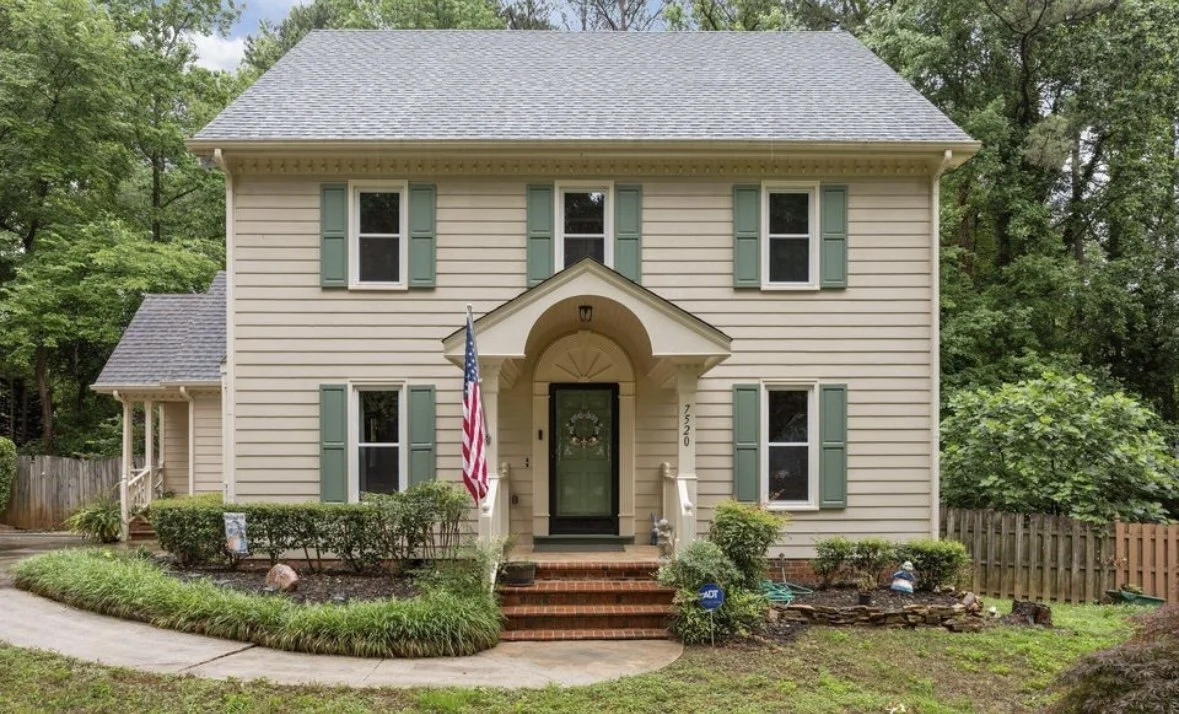
A North Raleigh home representing the range of properties available to first-time buyers across the Triangle.
Everything You Need to Know Before Buying Your First Home
Estimated Reading Time: 18–22 Minutes
Table of Contents
Is Now the Right Time to Buy?
How Much House Can You Afford?
How Much Money Do You Need?
Understanding Your Credit Score
Getting Pre-Approved
Choosing the Right REALTOR®
Starting Your Home Search
What to Look for During a Showing
Understanding Market Value
Making an Offer
Due Diligence in North Carolina
Earnest Money Explained
Home Inspections
Negotiating Repairs
Home Appraisals
Closing Costs
Final Walkthrough
Closing Day
Common Mistakes
Frequently Asked Questions
Buying Your First Home Doesn't Have to Be Overwhelming
Buying your first home is one of the biggest financial decisions you'll ever make. It's exciting to imagine decorating your own space, building equity, and finally having a place to call home. At the same time, it can feel intimidating if you've never gone through the process before.
Many first-time buyers wonder:
Where do I even start?
How much money do I need?
What credit score do I need?
Should I wait?
How do I know if a home is overpriced?
What happens if something goes wrong?
These are great questions, and the good news is that the home-buying process becomes much easier when you understand each step before you begin.
Whether you're buying in Raleigh, Cary, Apex, Holly Springs, Wake Forest, Sanford, or another community in North Carolina, this guide will walk you through the process from start to finish.
Step 1: Is Now the Right Time to Buy?
One of the most common questions buyers ask is:
"Should I buy now or wait?"
The answer depends more on your personal situation than on trying to predict the market.
You may be ready to buy if:
You have a stable income.
You have money saved for your down payment and closing costs.
Your credit is in good shape.
You plan to stay in the home for several years.
Your monthly payment fits comfortably within your budget.
Many buyers wait for the "perfect" market. The reality is that there is rarely a perfect time. Interest rates, home prices, and inventory are constantly changing.
Instead of trying to time the market perfectly, focus on whether buying makes sense for your financial goals and lifestyle.
Expert Tip
If you're planning to stay in a home for five years or more, buying often provides long-term financial benefits compared to renting, especially as you build equity over time.
Step 2: How Much House Can You Afford?
Many buyers make the mistake of asking:
"How much will the bank lend me?"
A better question is:
"How much home can I comfortably afford?"
Just because you're approved for a certain amount doesn't mean you should spend that much.
Your monthly housing costs may include:
Mortgage payment
Property taxes
Homeowners insurance
HOA dues
Mortgage insurance (PMI), if applicable
Utilities
Routine maintenance
A good rule of thumb is to leave room in your budget for unexpected expenses, travel, retirement savings, and everyday life. Buying at the very top of your budget can make homeownership more stressful than enjoyable.
Expert Tip
Try living on your estimated future mortgage payment for a few months before buying. If the payment feels comfortable while you're still renting, you'll have more confidence in your budget.
Step 3: How Much Money Do You Need to Buy a Home?
Another common misconception is that you need a 20% down payment.
For many buyers, that simply isn't true.
Depending on your loan program, you may qualify with a much smaller down payment.
In addition to your down payment, you'll also want to budget for:
Closing costs
Home inspection
Appraisal (if required)
Moving expenses
Utility deposits
Basic furnishings or repairs
Having an emergency savings fund after closing is just as important as making the purchase itself.
One of the biggest mistakes first-time buyers make is using every dollar they have for the purchase and leaving nothing for unexpected expenses.
Expert Tip
Owning a home comes with ongoing maintenance. Keeping several months of emergency savings after closing can help you handle repairs without relying on credit cards or loans.
Step 4: Understanding Your Credit Score
Your credit score plays an important role in your mortgage options and the interest rate you may qualify for.
Lenders typically review:
Your payment history
Outstanding debt
Length of credit history
Credit utilization
Recent credit inquiries
Even a modest improvement in your credit profile before applying for a mortgage can make a meaningful difference in the loan terms you receive.
If you're unsure where you stand, consider reviewing your credit well before you begin shopping for homes. This gives you time to address any issues before applying.
Common Credit Mistakes Before Buying
Avoid these if you're planning to purchase a home soon:
Opening new credit cards
Financing a vehicle
Missing payments
Maxing out credit cards
Closing older accounts without understanding the impact
Applying for multiple new loans
Keeping your finances stable is one of the best things you can do before buying.
Step 5: Get Pre-Approved Before Looking at Homes
A mortgage pre-approval is one of the most important steps in the home-buying process.
A pre-approval helps you understand:
Your estimated price range
Expected monthly payment
Loan options
Estimated cash needed to close
It also shows sellers that you're a serious buyer.
In today's market, many sellers are much more likely to accept offers from buyers who are already pre-approved.
Waiting until after you find the perfect home to speak with a lender can cause delays and may even result in missing out on the property.
What You'll Typically Need for a Pre-Approval
Your lender may ask for documentation such as:
Recent pay stubs
W-2s or tax returns
Bank statements
Identification
Employment information
Every lender's requirements are different, but gathering these documents early can make the process smoother.
Step 6: Choosing the Right REALTOR®
Many buyers think a REALTOR® simply unlocks doors.
In reality, the right agent helps protect one of the largest financial decisions you'll ever make.
A knowledgeable buyer's agent can help you:
Identify homes that fit your goals
Analyze whether a property is priced appropriately
Point out potential concerns during showings
Explain market conditions
Recommend trusted inspectors and other professionals
Negotiate price and contract terms
Coordinate inspections and appraisals
Keep track of deadlines
Help navigate unexpected issues from contract to closing
Buying a home involves much more than finding listings online. Having experienced guidance throughout the transaction can help you make informed decisions and avoid costly mistakes.
Questions to Ask Before Choosing a REALTOR®
Not every agent works the same way. Before choosing representation, consider asking:
How familiar are you with the areas where I want to buy?
How will you communicate with me during the process?
What happens if multiple offers are submitted?
How do you help buyers determine market value?
What is your negotiation strategy?
How do you handle appraisal or inspection issues if they arise?
The answers can give you a better understanding of how an agent will guide you from your first showing all the way to closing.
Step 7: Start Your Home Search the Smart Way
Once you're pre-approved and have chosen a REALTOR®, it's finally time for the fun part—looking at homes.
Most buyers begin by browsing websites like Zillow or Realtor.com, but it's important to remember that not every home online is actually available. Some listings are already under contract, and others may not be updated immediately.
The best approach is to create a clear list of your priorities before you start touring homes.
Separate Your Needs from Your Wants
Every buyer has features they would love to have, but it's helpful to distinguish between necessities and nice-to-have upgrades.
Must-Haves
Number of bedrooms
Number of bathrooms
Maximum budget
Desired commute
Preferred school district
Yard size
Accessibility needs
Nice-to-Haves
Swimming pool
Large bonus room
Outdoor kitchen
Three-car garage
Finished basement
Updated landscaping
Luxury finishes
Most buyers won't find a home that checks every single box. Understanding your priorities makes it easier to recognize the right home when you see it.
Don't Judge a Home by Its Photos
Professional photography is designed to make homes look their absolute best.
Wide-angle lenses can make rooms appear larger.
Virtual staging can help empty rooms look furnished.
Editing can brighten lighting and enhance colors.
While photos are helpful, nothing replaces seeing the property in person.
Sometimes homes with average photos are actually incredible once you walk inside.
Likewise, some beautifully photographed homes don't live up to expectations.
Think About the Future
When buying your first home, think beyond today.
Ask yourself:
Will this home still work if your family grows?
Is there space for a home office?
Will the neighborhood continue to improve?
Could you comfortably stay here for five to ten years?
Buying with the future in mind often leads to better long-term decisions.
Step 8: What to Look for During Every Home Showing
Many buyers spend most of their time admiring kitchens and bathrooms.
While those rooms are important, experienced buyers also pay attention to the home's overall condition.
Outside
Look for:
Roof condition
Cracks in brick or foundation
Drainage around the home
Siding condition
Gutters
Trees close to the house
Standing water
Exterior maintenance
Inside
Pay attention to:
Uneven floors
Large wall cracks
Water stains
Window condition
Ceiling stains
Plumbing fixtures
Electrical outlets
HVAC vents
Door alignment
None of these automatically mean there's a major problem, but they're worth noting and discussing with your REALTOR®.
Don't Ignore the Neighborhood
The house is only part of your investment.
Drive through the neighborhood at different times of day.
Notice:
Traffic
Noise
Nearby businesses
Street parking
General upkeep
Parks
Walking trails
Nearby shopping
A fantastic home in the wrong location may not appreciate as well as an average home in an excellent neighborhood.
Step 9: How Do You Know If a House Is Overpriced?
This is one of the most common questions buyers ask.
The answer isn't based on feelings.
It's based on data.
A REALTOR® compares the property against:
Recently sold homes
Active competition
Pending sales
Price per square foot
Lot size
Upgrades
Location
Market demand
This process is called a Comparative Market Analysis (CMA).
Just because a seller asks $600,000 doesn't mean the home is worth $600,000.
Understanding market value before making an offer helps buyers avoid overpaying.
Red Flags That Could Indicate Overpricing
Significantly more expensive than nearby comparable homes
Long time on market without price changes
Multiple price reductions
Limited buyer activity
Similar homes selling much faster
That doesn't necessarily mean you should avoid the property.
It may simply create an opportunity to negotiate.
Step 10: Writing a Competitive Offer
Submitting an offer involves much more than choosing a purchase price.
A strong offer also considers:
Financing
Closing timeline
Due diligence fee
Earnest money deposit
Requested closing costs
Personal property
Repair expectations
Sometimes a seller accepts a lower-priced offer because it provides greater certainty of closing.
Your REALTOR® can help structure an offer that is competitive while still protecting your interests.
Multiple Offer Situations
In competitive markets, you may find yourself competing against several buyers.
Instead of immediately offering far above asking price, discuss strategy with your agent.
A thoughtful offer may include:
Flexible closing date
Strong financing
Larger earnest money
Fewer unnecessary requests
Quick response times
Every situation is different.
The goal isn't simply to "win."
It's to purchase the home while making a financially sound decision.
Step 11: Understanding Due Diligence in North Carolina
North Carolina's real estate process is unique.
One of the biggest differences is the Due Diligence Period.
This is the time after your offer is accepted when you investigate the property before fully committing to the purchase.
During this period, buyers often:
Schedule inspections
Review HOA documents
Confirm financing
Obtain insurance quotes
Review surveys
Research zoning
Verify property details
This is your opportunity to make sure the home is the right fit.
If concerns arise, you may be able to negotiate repairs or other terms, depending on the contract.
Because due diligence has legal and financial implications, it's important to understand how it works before making an offer. Your REALTOR® and closing attorney can explain how the process applies to your specific transaction.
Step 12: What Is Earnest Money?
Earnest money is a deposit made after a contract is accepted.
It shows the seller you're serious about purchasing the home.
The money is generally held in accordance with the purchase contract and may later be applied toward your purchase at closing.
The amount varies depending on the property, market conditions, and the terms negotiated between the buyer and seller.
Because earnest money is governed by the contract, always discuss it with your REALTOR® before submitting an offer so you understand how it works in your situation.
Step 13: The Home Inspection
A home inspection is one of the most valuable parts of buying a home.
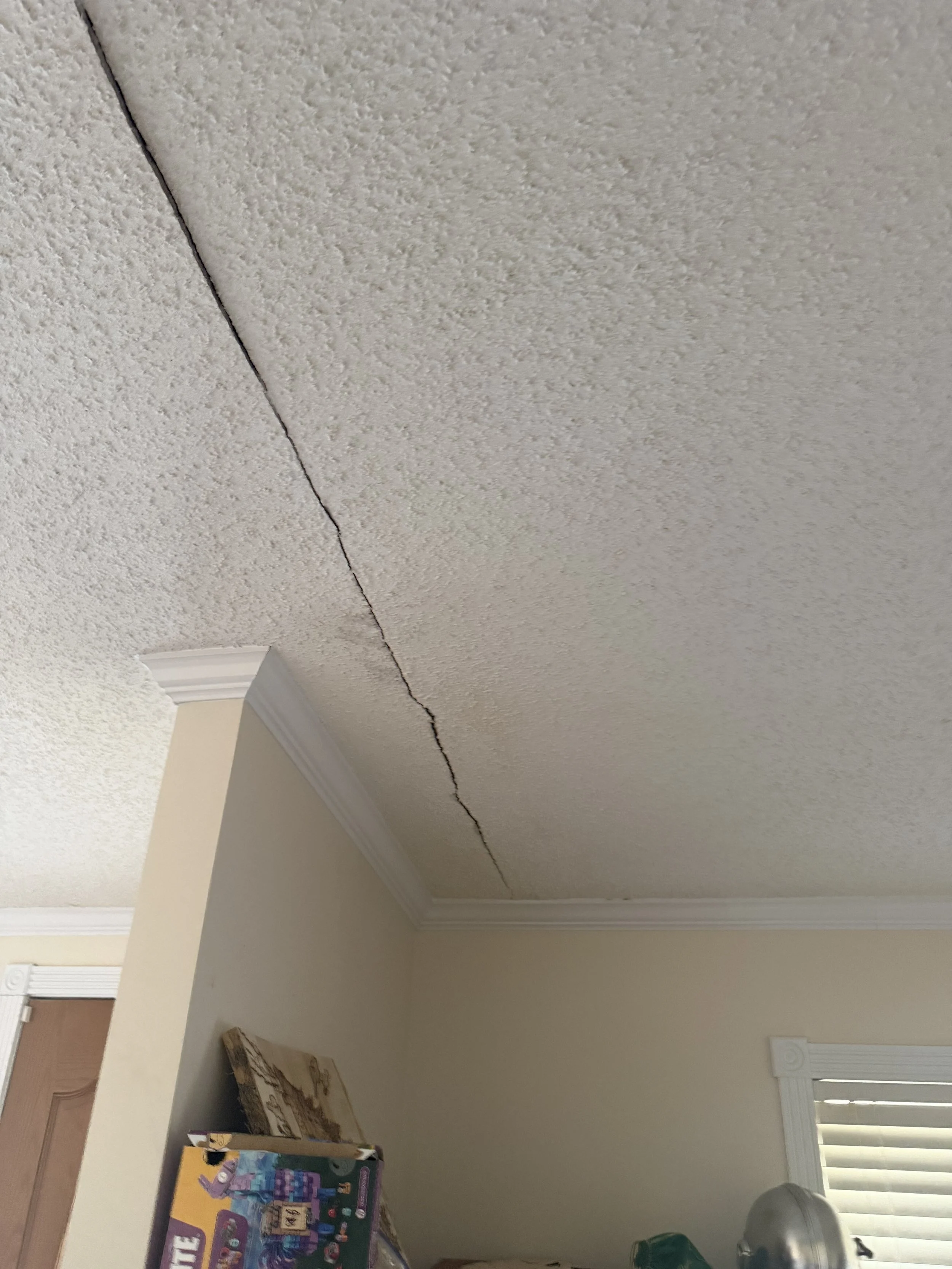
Visible cracks should be reviewed by a qualified home inspector to determine whether they are cosmetic or need further evaluation.
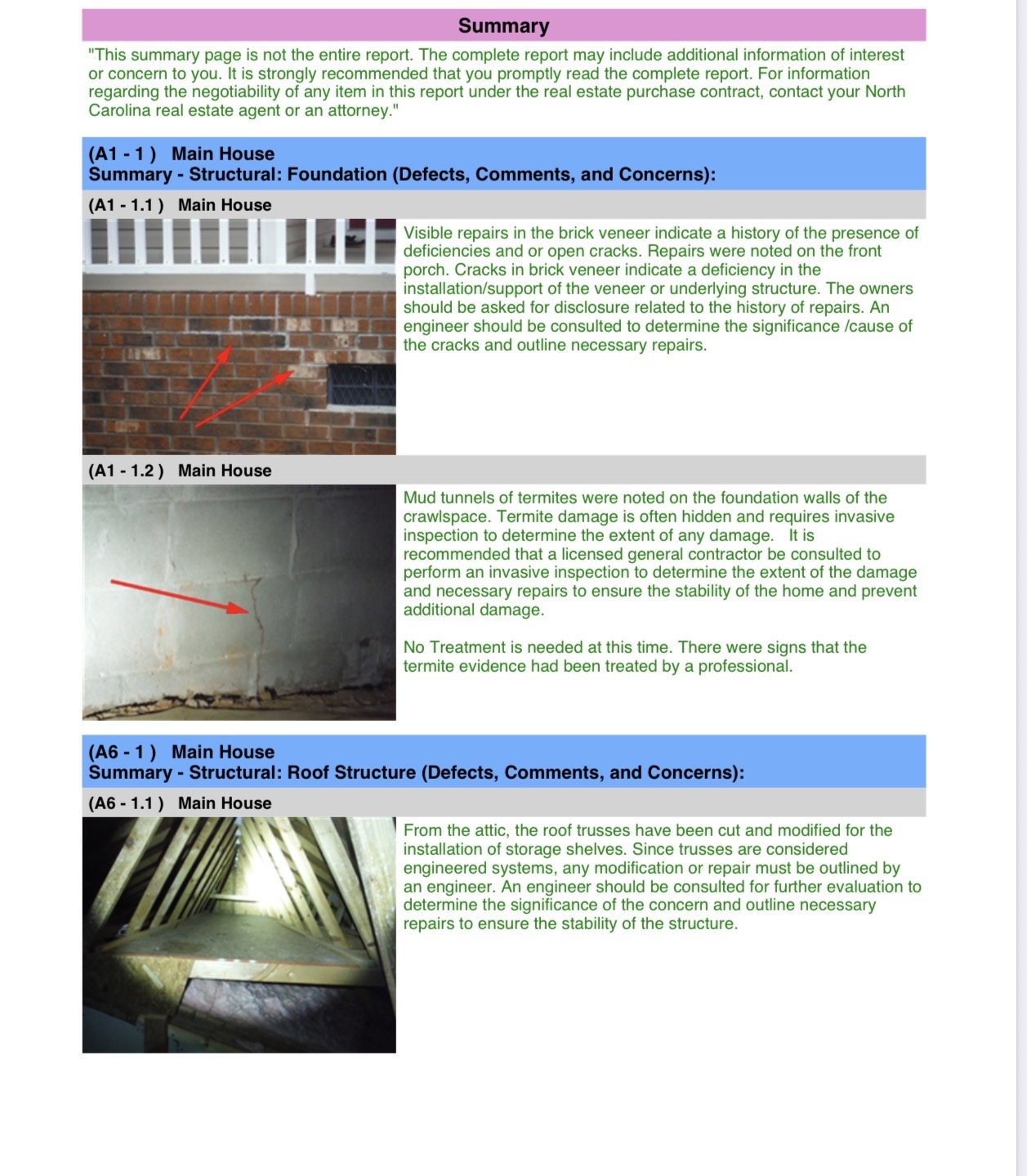
A professional inspection report can help buyers understand visible damage, termite activity, and items that may need further evaluation before closing.
An inspector provides an objective evaluation of the property's visible condition.
Typical inspection items include:
Roof
Foundation
Crawl space
Attic
Plumbing
Electrical
HVAC
Windows
Doors
Appliances
Insulation
Safety concerns
Other Tests You May Need
Some homes may need extra testing beyond the regular home inspection. This can include:
Radon testing
Termite testing
Septic inspection
Well-water testing
These tests can help find hidden problems before closing. Your REALTOR® and inspector can help you decide which ones make sense for the property.
Almost every home even new construction has inspection findings.
The purpose isn't to find a perfect house.
It's to understand the property's condition before closing.
Radon Testing
Radon is an invisible, odorless gas that can enter a home through the foundation, crawl space, or basement. Because you cannot see or smell it, testing is the only way to know whether elevated levels are present. A radon test is usually completed during the due diligence period and can help buyers decide whether a mitigation system may be needed.
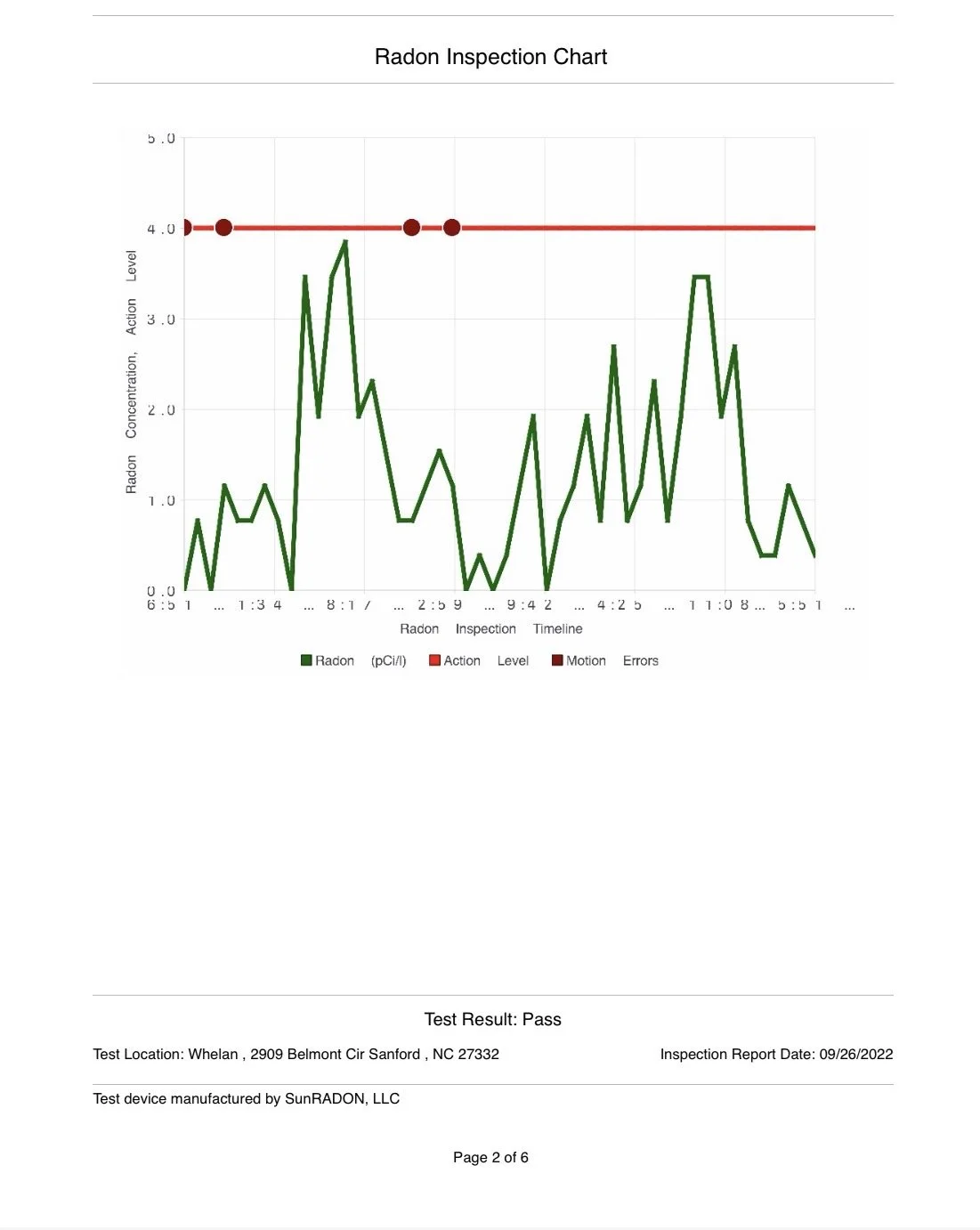
Radon testing measures indoor radon levels and helps buyers determine whether mitigation may be needed.
Septic Inspection
Homes that are not connected to public sewer may use a private septic system. A septic inspection can help determine whether the tank and system are working properly and whether there are signs of damage, backups, or needed maintenance. Septic repairs can be expensive, so understanding the system’s condition before closing can help prevent unexpected costs after purchasing the home.
Termite Testing
A termite or wood-destroying insect inspection checks for signs of active insects and past damage. Termites can cause expensive structural problems that may not be easy to see during a regular home inspection. Testing before closing can help buyers understand whether treatment or repairs may be needed.
Well-Water Testing
Homes with a private well should have the water tested before closing. A well-water test can check for bacteria and other possible contaminants that may affect the water’s safety or quality. Buyers may also want to evaluate the well’s condition and water flow so they understand how the system is working before purchasing the home.
What Happens After the Inspection?
After reviewing the inspection report, buyers generally have several options depending on the contract and the condition of the home.
You might decide to:
Move forward without requesting changes.
Ask for repairs.
Request a credit or other concession if appropriate.
Continue evaluating the findings with licensed professionals if additional information is needed.
Your REALTOR® can help you prioritize significant issues and decide on a reasonable negotiation strategy.
Not Every Issue Is a Deal Breaker
Inspection reports often contain dozens of items.
Many are routine maintenance recommendations rather than major defects.
Examples include:
Loose doorknobs
Minor drywall cracks
Worn weatherstripping
Small caulking gaps
Cosmetic wear
The biggest concerns are generally related to:
Structural issues
Active water intrusion
Major electrical hazards
Significant plumbing problems
HVAC failures
Roof issues
Focusing on the most important items helps keep negotiations productive.
Step 14: Negotiating Repairs After the Home Inspection
The inspection is complete, and now it's time to decide what happens next.
One of the biggest misconceptions among first-time buyers is that sellers are required to fix everything found during the inspection. In reality, the next steps depend on the condition of the property, the purchase contract, market conditions, and the agreement between the buyer and seller.
A well-written repair request focuses on significant issues rather than cosmetic imperfections.
Examples of repairs that often deserve attention include:
Roof leaks or damaged shingles
Active plumbing leaks
Electrical safety hazards
HVAC systems that are not functioning properly
Structural concerns
Water intrusion or drainage issues
Safety hazards identified during the inspection
Items such as paint touch-ups, nail pops, loose cabinet handles, or minor cosmetic wear are generally considered part of normal homeownership and may not be reasonable repair requests.
An experienced REALTOR® can help you prioritize the most important issues and negotiate solutions that protect your interests while keeping the transaction moving toward closing.
Step 15: Understanding the Home Appraisal
If you're financing your purchase, your lender will usually require a home appraisal.
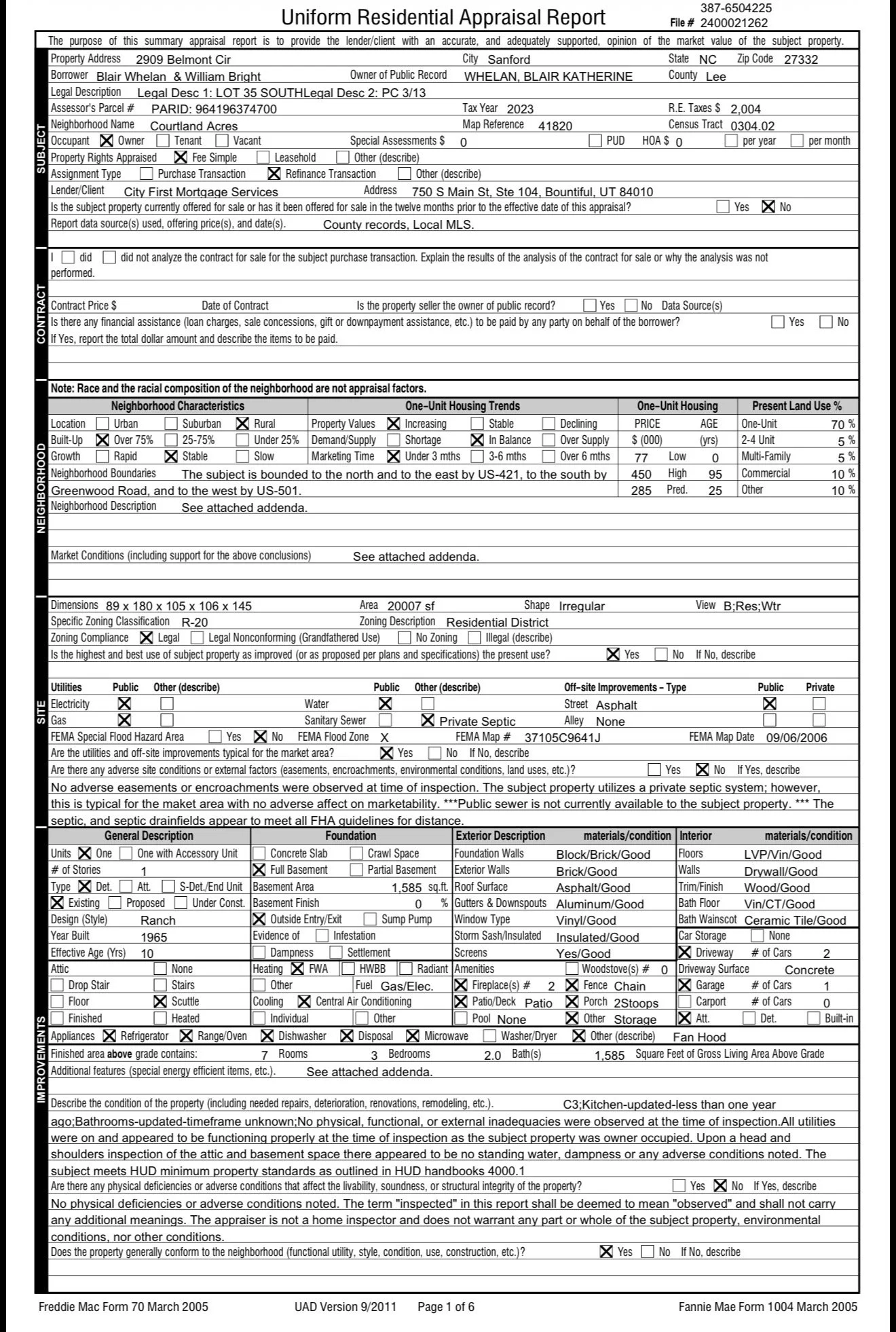
A home appraisal helps the lender determine whether the property’s value supports the purchase price.
Many first-time buyers confuse an appraisal with a home inspection, but they serve very different purposes.
Home Inspection
The inspection evaluates the home's condition.
Home Appraisal
The appraisal estimates the home's market value for the lender.
The appraiser considers:
Recently sold comparable homes
Location
Square footage
Lot size
Age
Overall condition
Upgrades
Current market conditions
The lender uses the appraisal to help determine the amount they are willing to lend.
What Happens if the Appraisal Comes in Low?
A low appraisal doesn't automatically mean the transaction is over.
Depending on the contract and the circumstances, several outcomes may be possible:
The seller agrees to reduce the purchase price.
The buyer contributes additional funds if appropriate.
The parties negotiate another solution.
The transaction ends if the parties cannot reach an agreement and the contract allows for it.
Every situation is different, which is why experienced guidance can be valuable during appraisal negotiations.
Why Comparable Sales Matter
Appraisers rely heavily on recent comparable sales.
If the market has been changing quickly, or if comparable homes are difficult to find, the valuation process can become more challenging.
This is one reason buyers should understand market value before submitting an offer instead of relying solely on the asking price.
Step 16: Final Loan Approval
After your offer is accepted, your lender continues reviewing your financial information until closing.
Many buyers are surprised to learn that their finances are monitored throughout the process.
Avoid These Common Mistakes Before Closing
Until your purchase is complete, avoid making major financial changes such as:
Buying a new car
Opening new credit cards
Taking out personal loans
Making unusually large purchases on credit
Changing jobs without discussing it with your lender
Moving large sums of money between accounts without documentation
Keeping your financial situation stable helps reduce the chance of delays or complications before closing.
Step 17: Understanding Closing Costs
Closing costs are separate from your down payment.
They vary depending on the purchase price, loan program, and other transaction-specific factors.
Common closing costs may include:
Attorney fees
Title-related expenses
Recording fees
Loan origination fees
Appraisal fees
Homeowners insurance
Property tax adjustments
Interest collected at closing
Escrow funding
Your lender will provide estimates before closing so you have a better understanding of your expected costs.
Step 18: The Final Walkthrough
A final walkthrough is typically completed shortly before closing.
This is your opportunity to verify that:
The home is in substantially the same condition.
Agreed-upon repairs have been completed, if applicable.
Included appliances remain with the property.
No unexpected damage has occurred.
Personal property that was supposed to stay is still there.
The walkthrough isn't another inspection.
Instead, it's a final opportunity to confirm the home's condition before ownership transfers.
Step 19: Closing Day
Closing day is the final step in the home-buying process.
You'll meet with the closing attorney or settlement agent to sign the necessary documents, finalize the transaction, and complete any remaining financial requirements.
Once the documents have been recorded and the transaction is complete, ownership officially transfers to you.
Then comes the moment every buyer has been waiting for:
You receive the keys to your new home.
15 Common Mistakes First-Time Home Buyers Make
Learning from the experiences of other buyers can help you avoid unnecessary stress and expense.
1. Looking at homes before getting pre-approved.
2. Shopping at the top of your budget.
3. Forgetting about closing costs.
4. Draining your savings for the down payment.
5. Skipping the home inspection.
6. Focusing only on cosmetic features.
7. Ignoring neighborhood trends.
8. Making major purchases before closing.
9. Opening new lines of credit during the transaction.
10. Assuming every home is priced correctly.
11. Waiting too long to make an offer on the right home.
12. Not asking enough questions.
13. Underestimating future maintenance costs.
14. Choosing a home without considering future resale value.
15. Trying to navigate the process alone without professional guidance.
Avoiding these common mistakes can help make your first home purchase a smoother and more enjoyable experience.
Frequently Asked Questions
How much money do I need to buy a house?
The amount depends on the purchase price, loan program, down payment, and closing costs. A lender can help estimate your specific costs.
Do I need a 20% down payment?
Not necessarily. Many loan programs allow qualified buyers to purchase with significantly less than 20% down.
How long does it take to buy a home?
Most transactions close within approximately 30 to 45 days after an offer is accepted, although timelines can vary.
Should I get pre-approved before looking at homes?
Yes. A pre-approval helps establish your budget and shows sellers you're financially prepared.
Should I always get a home inspection?
In most situations, yes. An inspection provides valuable information about the home's condition before closing.
Can I negotiate after the inspection?
Depending on the contract and inspection findings, buyers and sellers may negotiate repairs, credits, or other terms.
What happens if the appraisal comes in low?
The buyer and seller may negotiate possible solutions, or the transaction may proceed according to the terms of the contract.
Can I buy a home while selling my current one?
Yes. There are several strategies that can help coordinate both transactions.
How much should I save after closing?
Many financial professionals recommend maintaining an emergency fund for unexpected repairs and expenses after becoming a homeowner.
Should I buy now or wait?
The right time to buy depends on your financial readiness, long-term plans, and current market conditions rather than trying to perfectly predict future home prices or interest rates.
Final Thoughts
Buying your first home is an exciting milestone, but it also comes with important decisions. Understanding the process before you begin can help you avoid common mistakes, ask better questions, and feel more confident every step of the way.
From getting pre-approved and touring homes to negotiating repairs, understanding appraisals, and closing on your new home, each step plays an important role in making a successful purchase.
The more informed you are, the better prepared you'll be to make smart decisions and enjoy the experience of becoming a homeowner.
If you're planning to buy a home in Raleigh, Cary, Apex, Holly Springs, Sanford, Wake Forest, or anywhere in the Triangle, I'd be happy to answer your questions and help you navigate the process from your first showing all the way to closing.
About Blair Whelan
Blair Whelan is a REALTOR® with eXp Realty, serving buyers and sellers throughout Raleigh, Cary, Apex, Sanford, Wake Forest, and the surrounding Triangle communities. Whether you're purchasing your first home or your next investment property, Blair provides guidance from the initial consultation through closing.
Contact Information
Blair Whelan
REALTOR® | eXp Realty
📞 (919) 527-5727
📧 Blair.whelan@exprealty.com
🌐 blairwhelanrealty.com