Downsizing in North Raleigh: Is a Townhouse the Right Choice?
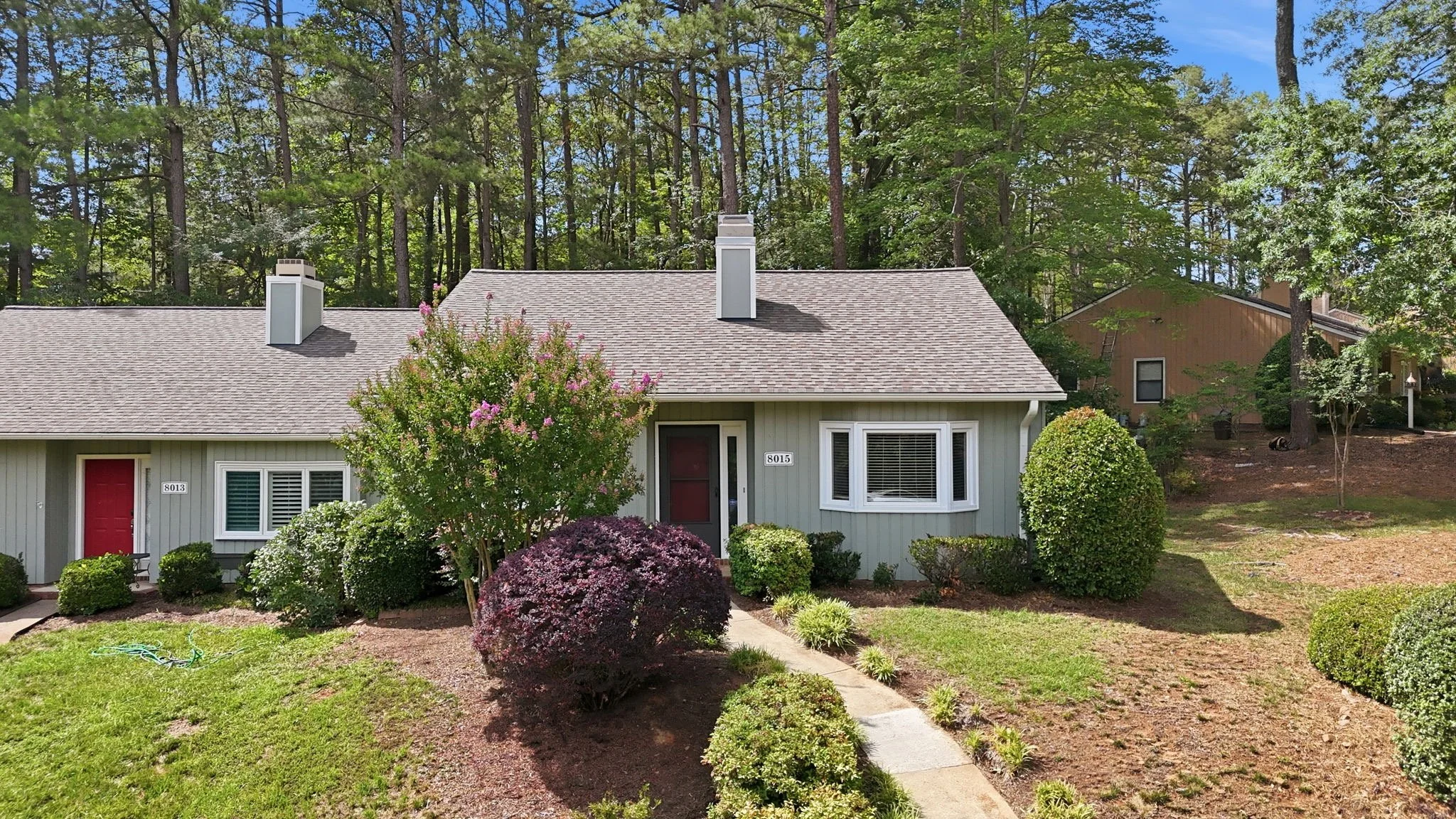
A North Raleigh townhouse can offer a more manageable home while still providing private outdoor space and a convenient location.
Downsizing does not always mean giving up the lifestyle, location, or comfort you enjoy. For many homeowners, it simply means choosing a home that better fits the way they live today.
A large detached home may have made perfect sense when you needed extra bedrooms, a large yard, or more space for a growing household. Over time, however, those same features can create more cleaning, maintenance, utility costs, and responsibilities than you want.
That is why many homeowners begin looking for a simpler option without leaving the area they already know and love.
For buyers who want to remain close to Raleigh’s shopping, restaurants, healthcare, greenways, and major roads, a North Raleigh townhouse can offer an appealing balance. Townhouse living may provide a more manageable floor plan, less exterior maintenance, and a convenient location while still giving you the privacy and comfort of owning your own home.
However, downsizing is not only about purchasing a smaller property. It is about choosing a home that supports your finances, daily routine, long-term plans, and quality of life.
This guide explains the benefits and possible drawbacks of downsizing into a townhouse, what costs to compare, which questions to ask, and what to consider before buying a townhome in North Raleigh.
What Does Downsizing Really Mean?
Downsizing usually means moving from a larger home into a smaller or more manageable property. However, the goal is not simply to reduce square footage.
The real goal is often to reduce responsibility.
For some homeowners, downsizing means leaving a detached house with a large yard and moving into a townhouse where some exterior maintenance is handled by the homeowners association.
For others, it means choosing a home with fewer unused rooms, lower utility costs, and less space to clean.
Downsizing can also mean moving closer to the places you visit most often. A smaller home in a convenient North Raleigh location may provide a better lifestyle than a larger home farther away from family, shopping, healthcare, or recreation.
A successful downsizing move should make everyday life easier. The right home should still provide enough space for your needs while removing rooms, expenses, and maintenance responsibilities that no longer serve you.
Why Homeowners Decide to Downsize
People choose to downsize for many different reasons. There is no single age or life stage when the decision becomes appropriate.
Some homeowners begin considering it after their children move out. Others want to reduce monthly expenses, spend more time traveling, or stop maintaining a large yard.
Common reasons for downsizing include:
Too many rooms that are rarely used
Increasing maintenance and repair responsibilities
Rising utility bills
Less interest in yardwork
A desire to travel more frequently
Changes in mobility or physical ability
Wanting to live closer to family
Moving closer to shopping, dining, and healthcare
Reducing housing expenses before retirement
Wanting a simpler, more organized lifestyle
Downsizing can also create an opportunity to use the equity from a current home differently. Depending on the homeowner’s financial situation, selling a larger property and purchasing a smaller one may reduce the mortgage balance, increase savings, or provide more flexibility.
The financial outcome varies for every homeowner, so it is important to compare the full cost of the current home with the total cost of the townhouse being considered.
Why North Raleigh Appeals to Downsizing Buyers
North Raleigh remains attractive to buyers who want access to everyday conveniences without moving far from the Triangle.
Depending on the specific neighborhood, residents may be close to:
Grocery stores
Restaurants and coffee shops
Medical offices and hospitals
Parks and greenways
Fitness centers
Shopping centers
Major roads
Downtown Raleigh
Raleigh-Durham International Airport
Nearby communities such as Wake Forest, Cary, and Durham
For a homeowner who already lives in Raleigh, moving into a North Raleigh townhouse may allow them to stay close to familiar doctors, friends, family, churches, and community activities.
This can be especially important for homeowners who want a simpler home but do not want to start over in an unfamiliar area.
North Raleigh also offers a range of housing styles. Buyers may find older established townhouse communities, newer developments, traditional two-story layouts, properties with garages, and communities with amenities.
Because every neighborhood and homeowners association operates differently, buyers should evaluate each property individually rather than assuming all townhouses offer the same benefits.
Benefits of Downsizing Into a Townhouse
1. Less Space to Clean and Maintain
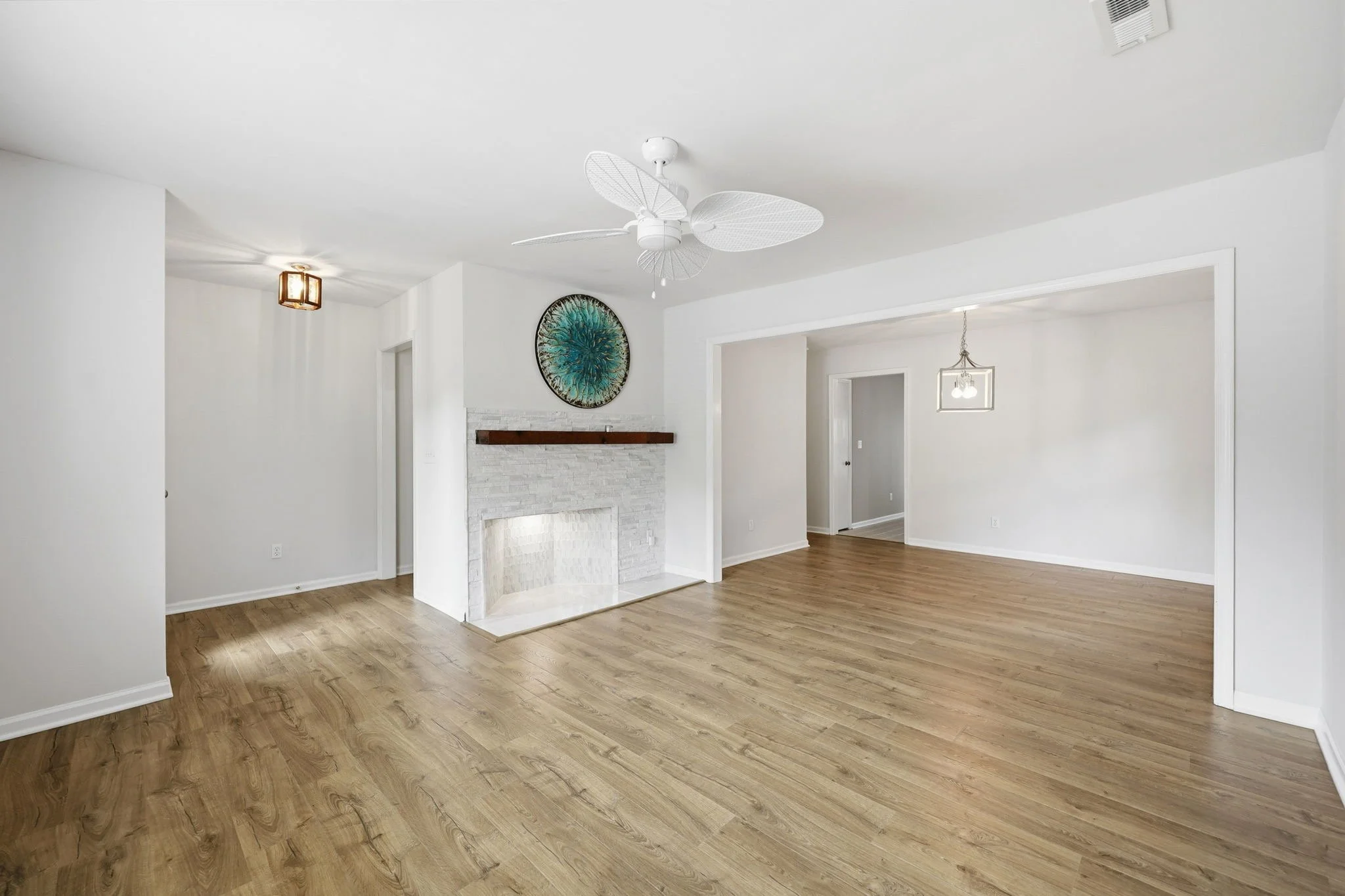
A well-designed townhouse can offer comfortable living space without the upkeep of a much larger home.
One of the most immediate benefits of downsizing is having less space to manage.
A large home may include formal rooms, extra bedrooms, storage areas, and outdoor spaces that require regular attention even when they are rarely used.
A smaller townhouse may provide enough room for comfortable daily living without the burden of maintaining unnecessary space.
Less square footage can mean:
Less time spent cleaning
Fewer rooms to furnish
Lower heating and cooling needs
Fewer areas requiring repairs
Less accumulated clutter
A more efficient daily routine
A well-designed townhouse can still feel spacious when the floor plan uses the available square footage effectively.
Open living areas, good natural light, sufficient storage, and flexible rooms can make a smaller home feel comfortable rather than restrictive.
2. Reduced Exterior Maintenance
Many townhouse buyers are attracted to the possibility of reduced exterior maintenance.
Depending on the community, the homeowners association may handle certain services such as:
Lawn care
Landscaping
Common-area maintenance
Exterior painting
Roof maintenance
Gutter maintenance
Private road maintenance
Community amenities
However, these responsibilities vary significantly from one HOA to another.
Some associations maintain nearly the entire exterior of the property. Others maintain only common areas and limited landscaping.
Never assume the HOA is responsible for the roof, siding, windows, driveway, or other exterior components. Buyers should carefully review the governing documents and ask exactly what is included in the monthly or annual dues.
Even when the owner remains responsible for certain repairs, a townhouse may still require less exterior upkeep than a detached home with a large yard.
3. A More Convenient Lock-and-Leave Lifestyle
Townhouse living can be a good fit for people who travel frequently or spend part of the year away from home.
A smaller property with limited yard maintenance can be easier to prepare before a trip and easier to manage while away.
Some townhouse communities also provide:
Exterior maintenance
Neighborhood lighting
Shared amenities
Close proximity to neighbors
HOA oversight of common areas
These features do not eliminate the need for normal home security and maintenance, but they may make extended travel more manageable.
Buyers who want a lock-and-leave lifestyle should still confirm whether the community has restrictions related to extended vacancies, parking, guests, or property access.
4. Potentially Lower Utility and Maintenance Costs
A smaller home may cost less to heat, cool, clean, and maintain than a larger detached property.
Possible savings may include:
Lower electricity usage
Lower heating and cooling expenses
Less landscaping expense
Fewer rooms requiring furniture
Reduced cleaning costs
Fewer large exterior projects
However, buyers should not assume every townhouse will automatically cost less each month.
HOA dues, insurance, property taxes, and the age of the property can affect the total cost.
The best comparison is not simply the mortgage payment. Buyers should compare the complete monthly cost of the townhouse against the full monthly and annual cost of their current home.
5. Staying Close to Familiar Places
Some homeowners delay downsizing because they do not want to leave their community.
A townhouse in North Raleigh may allow homeowners to simplify their living situation without leaving the area where they have established relationships and routines.
Remaining nearby may help preserve access to:
Current healthcare providers
Family members
Social groups
Favorite stores and restaurants
Volunteer organizations
Religious communities
Recreational activities
Downsizing within the same general area can make the transition feel less disruptive.
6. Possible Community Amenities
Some townhouse communities offer amenities that would be expensive or difficult to maintain individually.
These may include:
Swimming pools
Clubhouses
Fitness areas
Walking trails
Tennis or pickleball courts
Dog areas
Community landscaping
Gathering spaces
Amenities can add value to the lifestyle, but they also contribute to HOA expenses.
Consider whether you will actually use the amenities. Paying for a pool or clubhouse may be worthwhile for one buyer and unnecessary for another.
Possible Drawbacks of Townhouse Living
A townhouse can be a great downsizing option, but it is not right for everyone.
Understanding the possible disadvantages before buying can prevent disappointment later.
Shared Walls
Most townhouses share at least one wall with a neighboring property.
The amount of noise depends on the construction, insulation, layout, and behavior of the neighbors.
During a showing, buyers should pause and listen for:
Voices
Televisions
Pets
Doors closing
Plumbing sounds
Traffic
Outdoor activity
Ask about the wall construction if that information is available. Visiting the property at different times may also help buyers understand the surrounding noise level.
Stairs and Long-Term Accessibility
Many townhouses have two or more levels.
A multi-level layout may work perfectly today but become inconvenient later.
Buyers should consider:
The location of the primary bedroom
Whether a full bathroom is available on the main level
The number and steepness of stairs
Laundry-room location
Entry steps
Garage access
The possibility of adding accessibility features
A townhouse with a main-level primary suite may be especially attractive to buyers planning for long-term use.
Even buyers with no current mobility concerns should think about whether the layout will continue to work several years from now.
HOA Rules
Townhouse communities often have more rules than neighborhoods without homeowners associations.
Possible restrictions may relate to:
Exterior changes
Paint colors
Fencing
Landscaping
Parking
Pets
Rentals
Holiday decorations
Satellite dishes
Outdoor furniture
Business use
Short-term rentals
Some buyers appreciate consistent community standards. Others prefer more freedom.
Review the rules before purchasing so you know exactly what is allowed.
Monthly HOA Dues
HOA dues are part of the total monthly housing expense.
The amount may increase over time, and the association may also approve special assessments for major community projects.
Before buying, review:
Current dues
What the dues cover
The association’s financial statements
Reserve funding
Recent increases
Pending assessments
Recent major repairs
Meeting minutes
Insurance coverage
A low HOA fee is not always better. Very low dues may indicate that the association is not saving enough for future repairs.
Less Private Outdoor Space
Townhouses often have smaller yards, patios, or shared outdoor areas.
For buyers who want to reduce yardwork, this may be a benefit. For buyers who enjoy gardening, entertaining outside, or having a large fenced yard, it may feel limiting.
Check whether the property includes:
A private patio
A deck
A fenced area
Storage space
Community green space
Pet-friendly outdoor areas
Also confirm whether the owner or the HOA is responsible for maintaining these areas.
What Does a Townhouse HOA Cover?
This is one of the most important questions to ask before purchasing a townhouse.
The answer is different in every community.
The HOA may cover some combination of:
Lawn maintenance
Landscaping
Exterior building maintenance
Roof replacement
Siding
Gutters
Common-area insurance
Trash collection
Water or sewer
Pest control
Private roads
Community amenities
Buyers should review the actual documents instead of relying only on the listing description or a verbal explanation.
Ask specifically:
Who replaces the roof?
Who repairs exterior siding?
Who maintains windows and doors?
Who maintains decks and patios?
Who is responsible for plumbing lines?
What insurance must the owner carry?
Are there planned assessments?
What is included in the dues?
The answers can significantly affect the cost and convenience of ownership.
How to Compare the True Cost of Downsizing
A lower purchase price does not always mean a lower monthly cost.
Before moving, compare the current home’s complete expenses with the projected expenses of the townhouse.
Current Home Costs
Include:
Mortgage payment
Property taxes
Homeowners insurance
Utilities
Landscaping
Pest control
Repairs
Roof and exterior maintenance
Cleaning
Security
Other recurring expenses
Townhouse Costs
Include:
Mortgage payment
Property taxes
Homeowners insurance
HOA dues
Utilities
Maintenance not covered by the HOA
Special assessments
Interior
Should You Find Your Next Home Before Selling Your Current One?
Many homeowners want to start looking for their next home before putting their current house on the market. That makes sense, especially if they are worried about selling too quickly and not finding the right townhouse.
There are several ways to handle this:
Begin touring homes before listing your current property.
Get a market analysis and estimated net sheet first.
Prepare your home for sale so it can be listed quickly when the right property appears.
Make an offer that depends on your current home selling, when the seller will accept that condition.
Negotiate a later closing date or temporary possession after closing.
Sell first and arrange short-term housing while continuing the search.
Each option has advantages and risks. Waiting to list may reduce pressure, but it can also make your offer less competitive if you need to sell before purchasing. Selling first can give you a clearer budget and stronger buying position, but you may need temporary housing if the right home is not available immediately.
The best approach is to create a plan before beginning the search. Understanding your current home’s estimated value, likely proceeds, preparation timeline, and financing options can help you move forward without feeling rushed into the wrong property.
Worried You May Not Find the Right Home?
You do not have to put your home on the market before you understand your options. I can help you begin the search, estimate what your current home may sell for, and prepare a strategy so you are ready when the right North Raleigh townhouse becomes available.
Ready to Downsize in North Raleigh?

Blair Whelan with Blair Whelan Realty Group at eXp Realty helps buyers and sellers navigate downsizing and townhouse living across North Raleigh.
Considering selling your current home or exploring townhouse options? I can help you compare costs, review HOA details, estimate your sale proceeds, and coordinate both transactions.
Blair Whelan Realty Group | eXp Realty
Phone:(919) 527-5727
Email:Blair.whelan@exprealty.com
Website:blairwhelanrealty.com